


Xinjiang in February: A Tapestry of Extremes
February in Xinjiang, China, paints a picture of stark contrasts, a landscape sculpted by biting winds and starkly different microclimates. Forget a singular weather narrative; understanding Xinjiang's February requires a geographical lens, recognizing the vastness and varied topography that shapes its capricious climate.
The region's size is a key determinant. Stretching from the arid Tarim Basin to the towering Tian Shan mountains, Xinjiang experiences a dramatic range of temperatures and conditions within its borders. While the southern Tarim Basin, home to cities like Hotan and Kashgar, might bask in relatively milder sunshine during the day, temperatures can plummet well below freezing at night. These areas experience a high diurnal temperature range, meaning significant swings between day and night. Expect clear skies, abundant sunshine, and dry air, but be prepared for the cold.
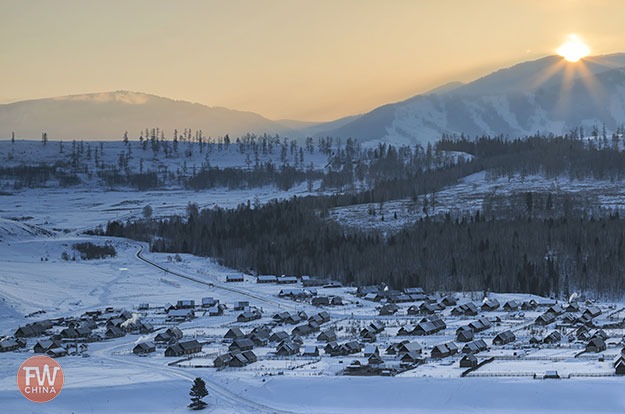
In contrast, the northern parts of Xinjiang, particularly the regions bordering Kazakhstan and Mongolia, face a far harsher reality. February here is synonymous with intense cold, often experiencing temperatures significantly below zero, sometimes reaching -20°C (-4°F) or even lower. Snowfall is more common in these northern areas, blanketing the landscape and potentially disrupting travel. The winds here can be fierce, creating a biting chill that penetrates even the warmest layers of clothing.
The Tian Shan mountain range acts as a significant weather divider. Its towering peaks intercept moisture-laden air masses, leading to heavier snowfall on the northern slopes and a rain shadow effect on the southern slopes, resulting in drier conditions in areas like the Turpan Depression. This creates a dramatic difference in snow accumulation even within relatively short distances. Travel through the mountains in February requires careful planning and awareness of potential road closures due to snow and ice.
The implications of this varied weather extend beyond mere comfort. Agriculture in Xinjiang is deeply impacted. While some crops may be dormant, the harsh February conditions present challenges for livestock farming, demanding careful management of animal shelters and fodder supplies. The tourism sector also feels the effects, with some areas seeing a drop in visitors due to the cold and potential travel disruptions.
For those venturing to Xinjiang in February, preparation is paramount. Layered clothing is essential, with warm base layers, insulating mid-layers, and a waterproof outer shell crucial for mitigating the extreme temperature fluctuations. Checking weather forecasts specific to your intended destination is non-negotiable, and being aware of potential travel delays due to snow or ice is equally vital.
In conclusion, February in Xinjiang is not a monolithic experience. It’s a testament to the power of geography to shape climate, a vibrant and challenging tapestry of extremes that demands respect and preparation from those who dare to explore its diverse landscapes during this coldest month. Understanding the unique conditions of each region is key to a safe and enjoyable experience.


