


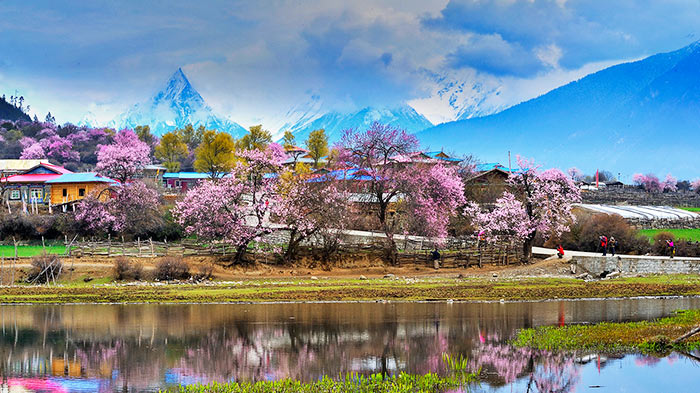
The Temperate Embrace: Exploring Tibet's Weather in May
May in Tibet offers a tantalizing glimpse into the region's diverse climate, a transition period between the harsh winter and the fully fledged summer monsoon. While still carrying a chill, particularly at higher altitudes, the month sees significantly warmer temperatures than its predecessors, making it an attractive time for many visitors. Understanding this transitional weather is crucial for anyone planning a trip.
Temperatures in May vary dramatically across Tibet's vast landscape. The lower valleys, such as those found near Lhasa, can experience daytime highs averaging around 15-20°C (59-68°F). These warmer temperatures are a welcome relief from the biting winter winds, allowing for comfortable exploration of the city and surrounding areas. However, nights in these lower altitudes can still dip down to near freezing, requiring warm layers even during the day.
As you ascend to higher elevations, the temperatures plummet. Regions like Mount Everest base camp, or areas within the Himalayas, will still experience freezing temperatures, even during the day. Expect daytime highs struggling to reach above 0°C (32°F) and nighttime lows well below freezing. This extreme temperature difference underscores the need for extensive preparation when trekking at these altitudes.
Beyond the average temperature readings, other weather factors significantly impact the experience. While May is generally considered dry, afternoon thunderstorms are not uncommon, especially in the eastern and southern parts of Tibet. These can be sudden and intense, bringing heavy rain and even hail. The unpredictable nature of these storms emphasizes the need for waterproof and windproof clothing, regardless of the temperature forecast.
Sunlight is another key consideration. The high altitude means intense UV radiation, even on cloudy days. Sunburn is a serious risk, requiring generous application of high-SPF sunscreen, sunglasses, and a hat. The thin air also enhances the effect of the sun, leading to rapid dehydration. Therefore, carrying ample water is paramount, even if the temperature doesn’t feel excessively hot.
In conclusion, May in Tibet offers a unique weather experience. While warmer than the preceding months, significant variations exist depending on altitude. Preparation is key: packing for both warm and cold conditions, accounting for potential rainfall, and protecting yourself from the intense sun are crucial for a safe and enjoyable trip. Understanding these nuances will ensure a successful adventure in this breathtaking, yet challenging, region. Remember to check specific forecasts for your intended destination closer to your travel dates, as even within a single region, weather patterns can vary considerably.


