


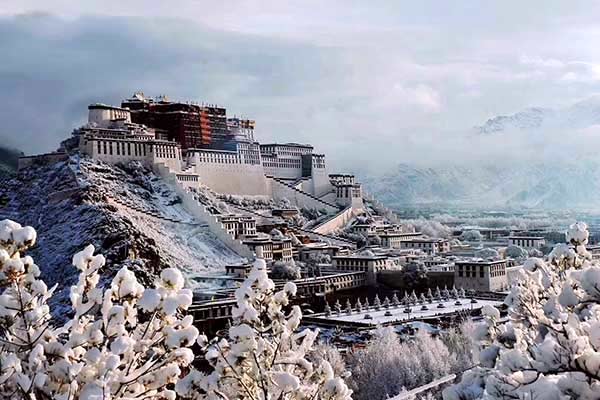
Tibet in February: A Frozen Landscape of Breathtaking Beauty and Harsh Realities
February in Tibet paints a stark, breathtaking picture. Forget the vibrant greens of summer; this is a land sculpted by winter's icy hand, a realm of frozen lakes, snow-capped mountains, and crisp, biting air. While the sheer beauty is undeniable, planning a trip during this month requires a deep understanding of the challenging conditions.
Extreme Cold
The overarching characteristic of February's weather in Tibet is extreme cold. Temperatures plummet, particularly at higher altitudes. Lhasa, at a relatively lower altitude, might see daytime highs around freezing (0°C or 32°F), but nights can easily dip well below -10°C (14°F). At higher elevations, like those found around Everest Base Camp or in the remote regions of Ngari, temperatures can plummet far below -20°C (-4°F), even reaching -30°C (-22°F) in some areas. Wind chill significantly exacerbates the cold, making even short periods outdoors feel intensely frigid.
Sunshine and UV Radiation
Sunshine is a precious commodity in February. While days are generally sunny, the thin air allows for intense UV radiation, making sun protection absolutely crucial. This combination of intense sun and freezing temperatures can lead to sunburn and frostbite if proper precautions aren't taken.
Precipitation and Travel
Precipitation is generally low in February, though snowfall is a possibility, particularly at higher altitudes. While heavy snowstorms are less frequent than in other months, even a light snowfall can quickly transform roads into treacherous ice-covered paths. This significantly impacts travel and accessibility.
High Altitude Challenges
The high altitude itself poses a considerable challenge. The lower oxygen levels exacerbate the effects of cold and exertion, making even simple activities more strenuous. Acclimatization is paramount, and visitors should allow ample time to adjust before undertaking strenuous hikes or treks.
Unique Appeal of a February Trip
Despite the challenges, February offers a unique appeal. The landscape is transformed into a mesmerizing winter wonderland. The clear, crisp air provides unparalleled views of the Himalayas, and the serenity of the snow-covered landscape is captivating. Certain monasteries and cultural sites might be less crowded than during peak seasons, offering a more contemplative experience.
Planning Your Trip: Essential Considerations
Clothing
Layers are essential, including thermal underwear, fleece, waterproof outerwear, a warm hat, gloves, and scarf. Consider investing in quality, insulated boots to combat the cold and ice.
Accommodation
Choose well-insulated accommodation with reliable heating.
Transportation
Be prepared for potential road closures and delays due to snow or ice. Four-wheel drive vehicles are highly recommended for venturing outside of major cities.
Health
Consult your doctor about altitude sickness and necessary precautions. Pack altitude sickness medication and be aware of the symptoms. Sun protection, including sunscreen, sunglasses, and lip balm, is vital.
Acclimatization
Allow sufficient time to adjust to the altitude before engaging in strenuous activities.
Conclusion
February in Tibet is a time of stark beauty and considerable challenges. For the well-prepared traveler, it offers a unique and unforgettable experience, showcasing the raw, powerful beauty of the Tibetan plateau in its winter slumber. But it's a journey that demands respect for the harsh conditions and careful planning to ensure a safe and rewarding adventure.


