


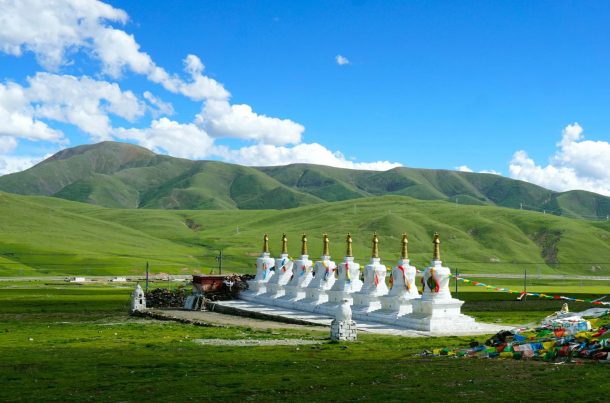
August in Tibet: A Symphony of Sun, Storms, and Shifting Temperatures
August in Tibet presents a captivating, yet challenging, weather landscape. While often romanticized for its clear, blue skies, the reality is a more nuanced tapestry of sunshine, dramatic thunderstorms, and significant temperature variations across the vast and geographically diverse region. Understanding this complexity is crucial for anyone planning a trip during this month.
Temperature Ranges: A Tale of Two Tibets
Tibet's altitude is the dominant factor shaping its August weather. The high altitude translates to intense solar radiation during the day, leading to relatively warm temperatures, especially in the lower valleys and near major cities like Lhasa. However, nights can be significantly cooler due to rapid radiative cooling at high altitudes. This creates a substantial diurnal temperature range – a considerable swing between day and night temperatures.
Lower Elevations (e.g., Lhasa, Shigatse):
Expect daytime highs averaging around 18-22°C (64-72°F). Nights, however, can drop to 8-12°C (46-54°F). These areas enjoy more sunshine hours compared to higher altitudes.
Higher Elevations (e.g., Everest Base Camp, mountainous regions):
Temperatures are significantly lower at higher elevations. Daytime highs might barely reach 10-15°C (50-59°F), while nighttime temperatures can plummet to near or even below freezing (0°C or 32°F). The thin air at these altitudes also amplifies the feeling of cold, even if the temperature isn't extremely low.
Regional Variations:
The temperature also varies significantly based on geographical location. Areas closer to the Himalayas tend to be cooler and wetter than the relatively drier valleys. The Brahmaputra River valley, for instance, might experience slightly milder temperatures compared to other areas at similar altitudes.
Beyond Temperatures: The Role of Precipitation and Sunshine
While August often brings clear skies, the monsoon season's influence is still felt, particularly in the eastern and southern parts of Tibet. This translates into:
Afternoon Thunderstorms:
The most common weather pattern is the development of dramatic afternoon thunderstorms. These can be intense, bringing heavy rain, hail, and even strong winds in localized areas. They often occur in the late afternoon and early evening, clearing up overnight. This means packing appropriate waterproof gear is essential, regardless of the forecast.
Sunshine Hours:
While thunderstorms are common, they are usually short-lived. Many days still see ample sunshine, especially in the morning and early afternoon. However, be prepared for sudden shifts in weather conditions.
Humidity:
The humidity levels in Tibet remain relatively low throughout August, offering a welcome respite from the oppressive humidity found in lower-altitude regions during the monsoon season. This lower humidity contributes to the dry feeling in the air, even when it's raining.
Planning Your Trip: Essential Considerations
The fluctuating temperatures and the potential for sudden downpours necessitate careful planning for any August trip to Tibet. Consider these crucial factors:
Layering:
Pack clothing that allows you to layer efficiently, accommodating both warm sunshine and potential cold snaps. Bring warm layers for evenings and higher altitudes, including a good quality down jacket or fleece.
Waterproof Gear:
A waterproof jacket and trousers are absolute necessities. Expect sudden and intense downpours, and don't underestimate the power of these high-altitude storms.
Sun Protection:
The high altitude intensifies the sun's rays. Apply high SPF sunscreen regularly, wear a hat, and sunglasses are essential.
Altitude Acclimatization:
Plan your itinerary to allow ample time for acclimatization at lower altitudes before venturing to higher elevations. This is crucial to mitigate altitude sickness.
In conclusion, August in Tibet offers a unique blend of breathtaking scenery and challenging weather. By understanding the temperature variations, potential for thunderstorms, and the need for proper gear and acclimatization, you can ensure a safe, enjoyable, and memorable journey through this awe-inspiring region.


