


Lhasa in February: A Breathtaking, but Bitterly Cold, Embrace
February in Lhasa presents a paradoxical beauty. The Tibetan capital, nestled high in the Himalayas, offers a glimpse of a stark, yet captivating landscape, but one that demands respect for its unforgiving climate. This is not a month for the faint of heart, or the inadequately prepared. While the sun shines brightly, offering moments of deceptive warmth, the reality is a biting cold that penetrates to the bone.
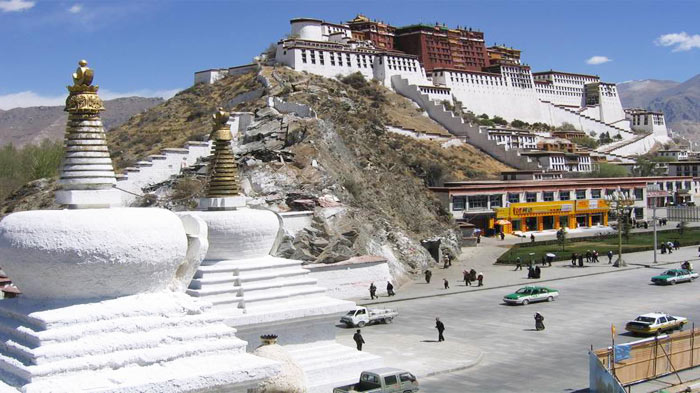
The average temperature hovers around freezing, often dipping well below zero, particularly at night. Forget balmy breezes; February in Lhasa is characterized by a dry, crisp air that carries the biting chill of the high altitude. This dryness, however, does contribute to clear skies, offering breathtaking panoramic views of the snow-capped mountains surrounding the city. The iconic Potala Palace, gleaming white under the bright sun, takes on an almost ethereal quality against the backdrop of a cloudless sky.
While snowfall is possible, it's not guaranteed. Instead, expect crisp, sunny days punctuated by freezing nights. This dramatic temperature swing necessitates careful layering of clothing. Think thermal underwear, fleece mid-layers, and a good quality, waterproof outer shell. Don't underestimate the power of a warm hat, gloves, and scarf; frostbite is a real concern at these altitudes.
This chilly climate, however, doesn't halt life in Lhasa. The city continues to pulse with its unique rhythm, albeit at a slightly slower pace. Monks continue their prayers within the ancient monasteries, the bustling markets still offer vibrant displays of Tibetan goods, and the locals, hardened by the harsh environment, navigate the streets with a quiet resilience.
For the intrepid traveler, February offers a unique opportunity to experience Lhasa in a quieter, more contemplative state. The crowds are thinner compared to the peak seasons, allowing for a more intimate engagement with the city's cultural treasures. The clear skies provide unparalleled photographic opportunities, capturing the dramatic landscapes and ancient architecture in all their glory.
However, it's crucial to prioritize health and safety. Altitude sickness is a serious concern at Lhasa's elevation, and the cold further exacerbates its symptoms. Acclimatization is vital, and taking it slow, staying hydrated, and avoiding strenuous activity in the initial days is paramount. Consulting a doctor before your trip, and carrying necessary medications, is strongly advised.
In conclusion, February in Lhasa is a month of extremes. The breathtaking beauty of the snow-capped mountains and the clear, crisp air are undeniable, but the extreme cold and potential for altitude sickness demand careful preparation and respect. For the well-prepared traveler, however, it offers a unique and unforgettable experience, a chance to witness the magic of Lhasa in a truly singular light.


