


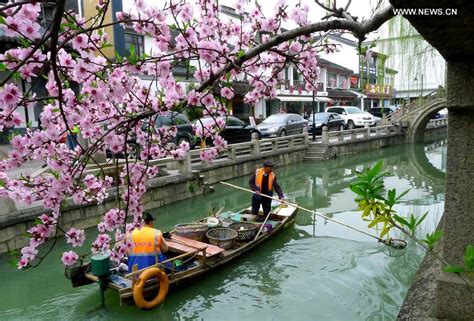
Jiangsu in March: A Transition Between Seasons
March in Jiangsu marks a delicate transition, a liminal space between the lingering chill of winter and the burgeoning warmth of spring. While the province experiences a shift towards milder temperatures, the weather remains unpredictable, offering a captivating blend of sunny days and lingering cold spells. Understanding this nuanced climate is key for anyone planning a visit or residing in the region during this month.
The average temperature hovers around 8-15°C (46-59°F), but this can fluctuate dramatically. One day might offer pleasant sunshine ideal for exploring the canals of Suzhou or the ancient walls of Nanjing, while the next could bring biting winds and even occasional rain showers, necessitating layers of clothing and a preparedness for sudden changes. Northern Jiangsu, closer to the Yellow Sea, tends to experience slightly cooler temperatures and more frequent winds than the southern parts closer to Shanghai.
The interplay of sunshine and rain is a defining characteristic of March in Jiangsu.
While the days steadily lengthen and sunshine becomes more prevalent, rain remains a frequent visitor. These showers, often short-lived, are vital for the awakening landscape, nurturing the burgeoning vegetation and contributing to the province's stunning natural beauty. However, they can also lead to damp conditions, so waterproof outerwear is a wise investment.
Beyond the temperature and precipitation, consider the wind. March in Jiangsu can be surprisingly windy, particularly in coastal areas. This can significantly impact the perceived temperature, making even relatively mild days feel colder. This wind, however, also plays a role in clearing the air, leading to clearer skies and enhanced visibility.
For tourists, March offers a unique charm.
The crowds are generally smaller than in the peak seasons, offering a more intimate experience of Jiangsu's historical sites and natural landscapes. The blossoming of early spring flowers, such as plum blossoms and peach blossoms, adds a vibrant touch to the scenery, particularly in rural areas. However, planning outdoor activities should always take the unpredictable nature of the weather into account.
For residents, March signifies a period of adaptation.
Heating systems are often switched off, marking a shift towards milder indoor temperatures. Gardening activities begin to pick up pace, with the planting of early spring vegetables and the preparation of flowerbeds. The transition also presents its challenges, particularly for those sensitive to sudden temperature changes or susceptible to respiratory illnesses.
In conclusion, March in Jiangsu is a month of contrasts – a beautiful, yet unpredictable period of transition. While it may not always offer the consistent warmth of later spring, its fluctuating weather and vibrant awakening landscape make it a fascinating time to experience the province. Preparation and a flexible approach are key to enjoying everything this transitional month has to offer.


