


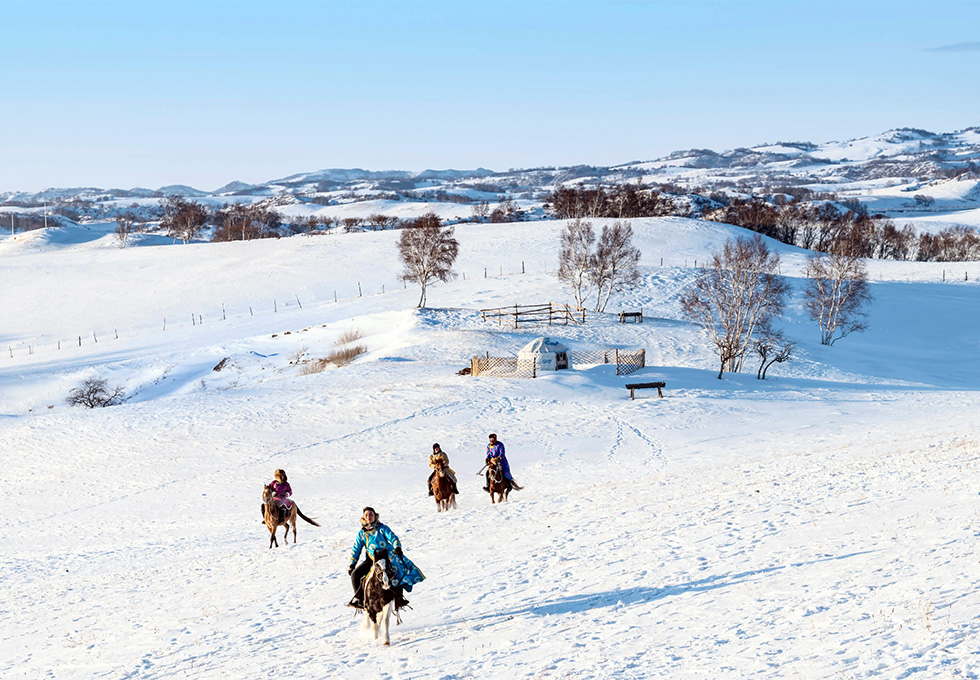
September in Inner Mongolia: A Transition of Seasons
September in Inner Mongolia marks a beautiful, yet transitional phase between the sweltering summer and the biting winter. This vast, autonomous region of northern China experiences a dramatic shift in weather patterns during this month, offering a unique and varied experience depending on location and elevation. Understanding the nuances of September's weather is crucial for any traveler or resident planning activities.
Temperatures: A Tapestry of Extremes
The defining characteristic of September in Inner Mongolia is the significant temperature variation across the region. While generalizations are difficult, several key factors influence temperatures:
- Latitude and Longitude: The northern reaches of Inner Mongolia, closer to Siberia, experience noticeably cooler temperatures than the southern areas, which benefit from slightly milder influences.
- Altitude: Inner Mongolia's topography is diverse, ranging from vast plains to towering mountains. Higher altitudes translate to significantly lower temperatures, even in the southern regions. Mountains like the Greater Khingan Range can experience nighttime frosts by late September.
- Day-Night Difference: The daily temperature swing is pronounced throughout Inner Mongolia in September. Sunny days can see relatively pleasant highs, but nights often see a dramatic drop, necessitating warm clothing even if daytime temperatures are mild.
Specific Temperature Ranges:
While precise figures vary year to year, expect the following general temperature ranges:
- Southern Inner Mongolia (e.g., Hohhot, Chifeng): Daily highs might hover around 15-20°C (59-68°F), while nighttime lows can dip down to 5-10°C (41-50°F). This region experiences the warmest September weather.
- Central Inner Mongolia (e.g., Xilamuren): Temperatures here tend to be slightly cooler, with daytime highs potentially reaching 10-15°C (50-59°F) and nighttime lows dropping to near freezing (0°C or 32°F) in some areas, especially at higher elevations.
- Northern Inner Mongolia (e.g., Hulunbuir): The northernmost parts of Inner Mongolia experience the most significant temperature drop. Expect average daytime highs between 5-10°C (41-50°F) and nighttime lows frequently below freezing (below 0°C or 32°F).
Beyond Temperature: Other Weather Factors
Temperature is only one piece of the puzzle. Other weather factors significantly impact the September experience:
- Sunshine: September typically boasts abundant sunshine across Inner Mongolia. This contributes to relatively pleasant daytime temperatures, even if nights are chilly.
- Wind: Strong winds are a common feature, especially across the vast grasslands and plains. These winds can significantly increase the "feels-like" temperature, making it feel colder than the actual temperature indicates.
- Rainfall: Rainfall in September is generally less frequent than in summer months, but occasional showers are still possible. The amount of rainfall varies regionally.
- Clear Skies: The clear nights, while cool, offer spectacular stargazing opportunities, far from city light pollution.
Preparing for a September Trip:
Planning a trip to Inner Mongolia in September requires careful consideration of these variable conditions. Pack layers, including warm sweaters, jackets, and potentially even a hat and gloves, especially for evenings and mornings. Comfortable walking shoes are essential, as are sturdy boots if you plan on hiking in mountainous regions. Staying informed about specific regional forecasts is crucial for optimizing your experience and ensuring comfort.
In conclusion, September in Inner Mongolia offers a unique blend of pleasant days and cool nights. Understanding the significant temperature variations across the region, along with other weather factors like wind and rainfall, is key to planning a successful and enjoyable trip to this beautiful and diverse landscape.


