


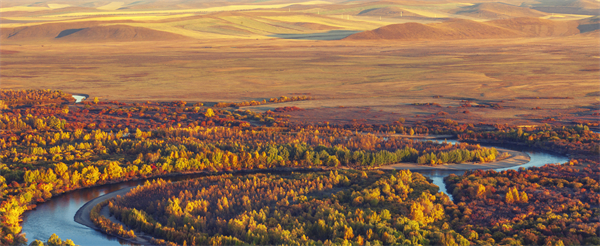
November in Inner Mongolia: A Landscape Transformed by Winter's Breath
November in Inner Mongolia marks the definitive transition from autumn to winter, a dramatic shift reflected in the rapidly changing weather. This vast, diverse region, encompassing grasslands, deserts, and mountains, experiences a significant variation in November's weather patterns depending on location and altitude. Understanding these nuances is key to appreciating the beauty and challenges of visiting or living in Inner Mongolia during this month.
Temperatures: A Plunge into the Cold
The most striking feature of November in Inner Mongolia is the plummeting temperature. While early November might still offer relatively mild days, particularly in the southeastern parts closer to the border with Hebei and Liaoning provinces, the overall trend is a consistent and sharp decline. Average daily highs gradually drop from around 5-10°C (41-50°F) at the beginning of the month to well below freezing (-5°C to -10°C or 23-14°F) by the end, in many areas. Nighttime temperatures are considerably colder, frequently dipping to -10°C (-14°F) or even lower, especially in the northern and western regions. The Gobi Desert, for instance, experiences particularly frigid nights, with temperatures capable of reaching -20°C (-4°F) or lower. High-altitude areas like the Greater Khingan Range can see even more extreme lows.
The diurnal temperature range, the difference between daytime highs and nighttime lows, is significant throughout November. This means that while the sun might offer a deceptive warmth during the day, the nights are brutally cold, demanding appropriate clothing and preparations.
Regional Variations:
The vastness of Inner Mongolia dictates significant regional variations in November weather:
- Eastern Inner Mongolia: This area, relatively closer to the more temperate eastern Chinese provinces, experiences slightly milder temperatures compared to the west. While still cold, the average lows are generally higher, and snow might arrive later in the month or even in early December.
- Western Inner Mongolia: This region, encompassing parts of the Gobi Desert and the vast grasslands, faces the full force of the Siberian winds. Temperatures here are consistently lower throughout November, with significantly colder nights and earlier snowfall. The Gobi Desert's aridity contributes to larger temperature swings between day and night.
- Northern Inner Mongolia: The northern parts, bordering Mongolia and Russia, experience the most extreme temperatures in November. Snowfall is common throughout the month, with significant accumulations possible, particularly in mountainous areas.
Precipitation and Snow:
While November might not always bring heavy snowfall across the entire region, the chances of snow increase significantly as the month progresses, especially in the northern and western parts. Early November might see some rain or light snow showers, but by late November, heavy snow is increasingly likely in many areas. The Gobi Desert, due to its arid climate, is less prone to heavy snowfall, but even here, occasional flurries are not unusual.
Wind:
Strong winds are a characteristic feature of Inner Mongolian weather, and November is no exception. These winds, often originating from Siberia, can significantly increase the wind chill factor, making the already cold temperatures feel even more biting. This is especially true in the open grasslands and desert areas.
Preparing for November in Inner Mongolia:
Visiting or living in Inner Mongolia during November requires careful planning and preparation. Packing warm clothing is crucial, including layers of thermal underwear, fleece jackets, a heavy winter coat, warm hats, gloves, and scarves. Waterproof and windproof outerwear is also essential. Be aware of the potential for rapid temperature changes and pack accordingly.
In conclusion, November in Inner Mongolia presents a breathtaking but challenging landscape. The dramatic drop in temperatures, combined with the increasing likelihood of snow and strong winds, necessitates meticulous preparation. However, for those willing to brave the cold, the beauty of the region transformed by the early grip of winter offers an unforgettable experience.


