


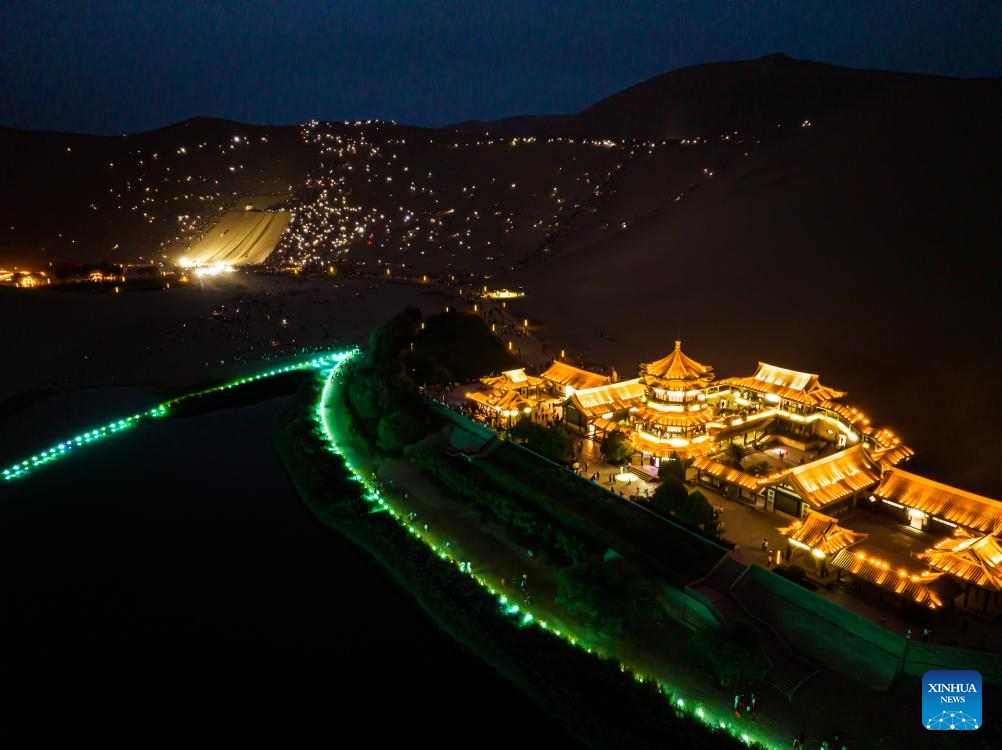
Dunhuang in March: A Tapestry of Spring's Arrival and Desert Whispers
March in Dunhuang, nestled in the heart of China's Gobi Desert, offers a captivating blend of lingering winter chill and the tantalizing promise of spring. It's a month of transition, a period where the desert landscape subtly shifts from its austere winter slumber to a more vibrant, if still fragile, awakening. Understanding the weather nuances of this period is crucial for anyone planning a visit, as it dictates both the experiences possible and the necessary preparations.
Temperature Fluctuation
The defining characteristic of March in Dunhuang is its temperature fluctuation. While the average daytime highs might climb into the pleasant teens Celsius (50s Fahrenheit), don't be fooled. Nights remain decidedly cold, often dipping well below freezing, even reaching sub-zero temperatures. This dramatic diurnal range demands careful packing; layers are essential, with warm base layers, mid-weight fleece or down jackets, and a waterproof outer shell being highly recommended.
Sunshine
Sunshine is abundant in March, a welcome respite from the potential winter gloom. However, this intense sunshine, coupled with the high altitude and dry air, can lead to rapid sunburn. Sunscreen with a high SPF, sunglasses, and a hat are non-negotiable items for any traveler.
Wind
Wind is another persistent factor. The Gobi Desert is known for its capricious winds, and March is no exception. These winds can be surprisingly strong, whipping up sand and significantly impacting the perceived temperature. Be prepared for sandstorms, though these are not a daily occurrence in March. Protecting exposed skin and eyes is vital.
Precipitation
Precipitation in March is typically low, though the possibility of occasional showers or even snowfall cannot be completely ruled out. This makes the landscape a fascinating paradox: a surprisingly clear sky often coexists with a chill wind and potentially damp earth.
Experiencing Dunhuang's Iconic Sites
The weather in March directly influences the experience of visiting Dunhuang's iconic sites. While the Mogao Caves are always accessible, exploring them in milder March temperatures can be more comfortable than the extremes of summer or winter. However, the wind might impact outdoor excursions like visits to the Singing Sand Dunes or the Crescent Moon Lake, making them potentially less enjoyable. Checking the forecast immediately before venturing out is strongly advised.
In conclusion, March in Dunhuang presents a unique opportunity to experience the ancient city's wonders with fewer crowds than the peak seasons, while still benefiting from a glimpse of the desert's springtime transformation. However, it's a month that demands preparation. By understanding its distinct weather characteristics – the significant temperature swings, abundant sunshine, strong winds, and low precipitation – travelers can pack accordingly and fully appreciate the magic and mystery of Dunhuang in its springtime awakening.


