


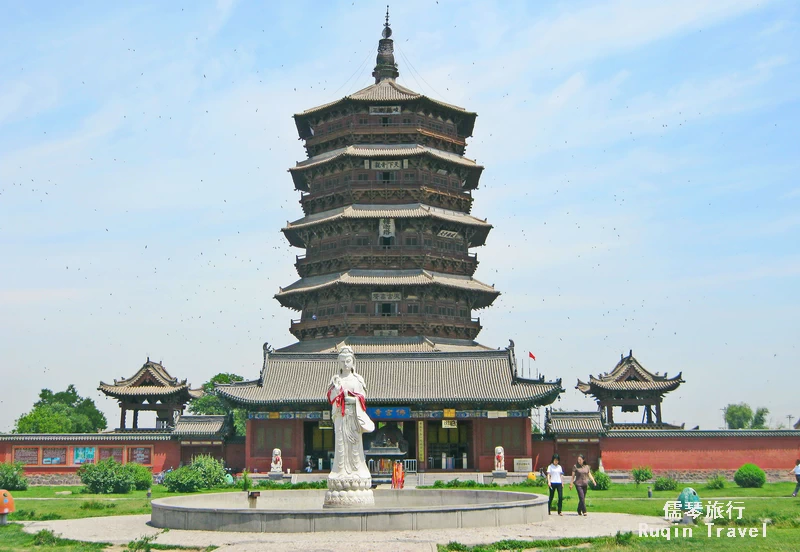
Ascending Time: A Comprehensive Guide to Visiting the Yingxian Wooden Pagoda
The Yingxian Wooden Pagoda, a silent sentinel standing proudly in Shanxi Province, China, isn't just a structure; it's a testament to ingenuity, resilience, and the enduring power of human craftsmanship. This towering marvel, the oldest and tallest wooden pagoda in China, completed in 1056 during the Liao Dynasty, offers a captivating journey through time for every visitor. But to truly appreciate its grandeur and historical significance, a little planning goes a long way. This guide delves into the specifics, providing you with everything you need for an unforgettable visit.
Timing Your Ascent: The Best Time to Visit
The Yingxian Wooden Pagoda stands tall regardless of the season, but your experience will be significantly enhanced by choosing the right time to visit. Spring (April-May) and autumn (September-October) are the ideal periods. The weather is pleasant, with comfortable temperatures perfect for exploring the surrounding area. Summer can be hot and humid, while winter brings freezing temperatures and potential snow, making exploration less enjoyable. Consider the crowds too; shoulder seasons (spring and autumn) often offer a sweet spot of pleasant weather and fewer tourists.
Reaching the Pinnacle: Transportation Options
Reaching the Yingxian Wooden Pagoda from Datong, the nearest major city, is relatively straightforward. Several options exist:
- Bus: Local buses operate regularly from Datong's bus station to Yingxian County. This is generally the most affordable option, providing a glimpse into local life along the way. However, it may take longer than other options. Check local bus schedules upon arrival in Datong.
- Taxi: For a more comfortable and quicker journey, a taxi offers a convenient solution. Negotiate the fare beforehand to avoid any surprises. This option is especially beneficial if you're traveling with luggage or are short on time.
- Private Car Hire: Hiring a private driver is the most luxurious option. This provides flexibility and allows for exploration of other nearby attractions at your own pace.
Beyond the Pagoda: Exploring Nearby Attractions
The Yingxian Wooden Pagoda shouldn't be a standalone experience. The area surrounding it boasts a rich history and cultural heritage, offering further opportunities for exploration. Consider these options to enrich your trip:
- Other Buddhist Temples: Shanxi Province is renowned for its numerous Buddhist temples and monasteries. Researching nearby sites before your visit will allow you to plan a multi-site itinerary. Many smaller temples and monasteries dot the landscape, showcasing the region’s deeply rooted Buddhist traditions.
- Yungang Grottoes (云冈石窟): While further afield, the Yungang Grottoes, a UNESCO World Heritage Site, are a must-see for those with more time in the area. This incredible collection of ancient Buddhist cave temples offers a contrasting but equally captivating experience to the wooden pagoda.
- Hunyuan County: Located not far from Yingxian, Hunyuan County also possesses historical significance and offers opportunities to experience local culture and cuisine.
Capturing the Essence: Photography Tips
The Yingxian Wooden Pagoda’s intricate wooden structure, its imposing height, and the surrounding landscape provide a plethora of photographic opportunities. Here are some tips to help you capture its essence:
- Time of Day: The golden hour (sunrise and sunset) offers the most dramatic lighting, casting long shadows and highlighting the pagoda's textures.
- Angles: Experiment with different angles and perspectives to capture the pagoda's unique features. Try shooting from afar to capture its scale, and get closer to detail the intricate carvings.
- Equipment: A good quality camera with a wide-angle lens will be beneficial for capturing the pagoda's full majesty, as well as a telephoto lens for closer details. A tripod is also recommended, especially during low-light conditions.
Unlocking the Secrets: Guided Tours
While exploring independently is rewarding, a guided tour can significantly enhance your understanding of the Yingxian Wooden Pagoda. Local guides can provide valuable insights into its historical context, architectural techniques, and cultural significance. They can also help navigate the area and point out details that you might otherwise miss. Inquire about guided tours at your hotel or through local tourist information centers.
Practical Considerations:
- Entrance Fees: Be prepared to pay an entrance fee to access the pagoda. Check the current price beforehand.
- Accessibility: While generally accessible, the site might have some uneven terrain, so wear comfortable shoes.
- Respectful Attire: Dress modestly when visiting religious sites.
- Language: While English signage might be limited, having a translation app or phrasebook can be helpful.
Resources for Further Research:
For a deeper dive into the history and architectural marvel that is the Yingxian Wooden Pagoda, I highly recommend exploring these resources:
The Yingxian Wooden Pagoda stands as a symbol of enduring human achievement. By following these tips and engaging with its rich history, you'll experience a journey beyond the structure itself, connecting with centuries of craftsmanship and cultural heritage. Remember to be respectful, appreciate the artistry, and cherish the opportunity to witness this remarkable piece of history firsthand.


