


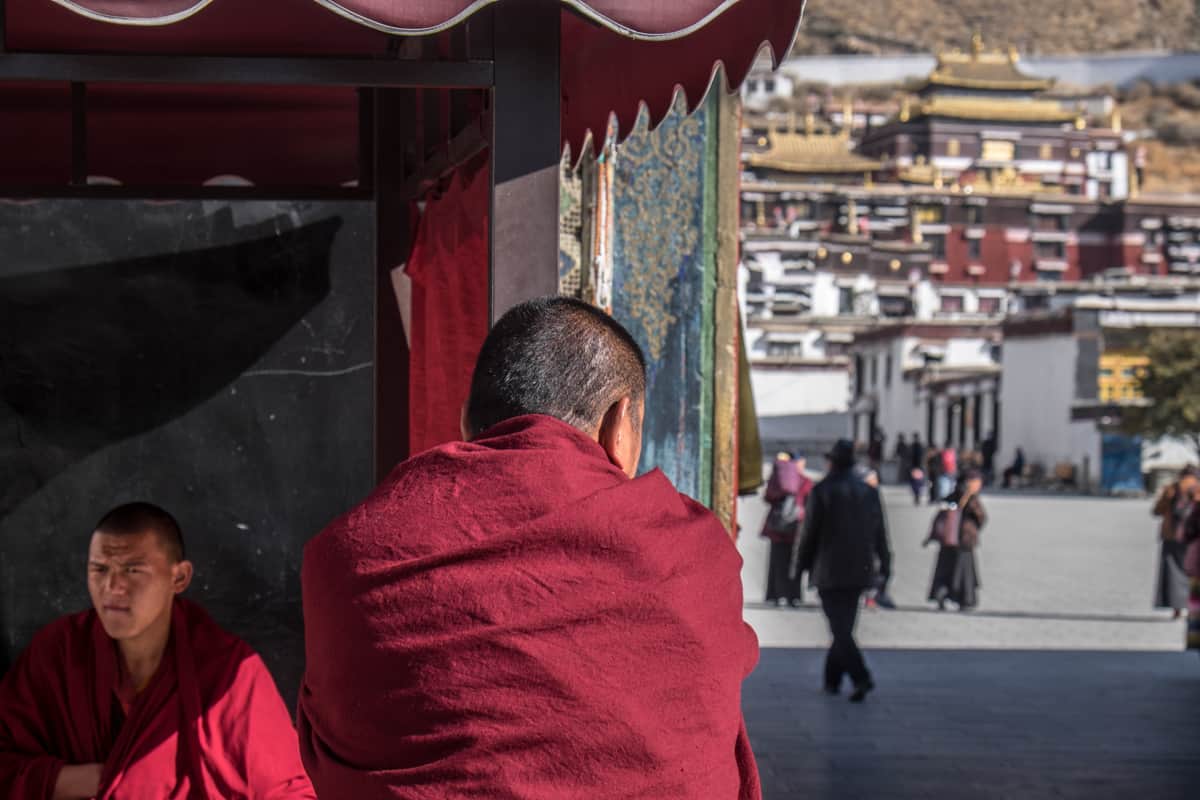
Conquering the Heights: A Comprehensive Guide to Visiting Tashilhunpo Monastery
Tashilhunpo Monastery, nestled in the heart of Shigatse, Tibet, at a breathtaking altitude of 3,950 meters (12,960 feet), is more than just a destination; it's a pilgrimage. This sprawling complex, a significant center of the Gelugpa school of Tibetan Buddhism, holds centuries of history, spiritual significance, and architectural wonder within its walls. Planning a visit requires more than just booking a flight; it demands careful consideration and preparation to ensure a safe, respectful, and profoundly enriching experience.
This detailed guide will equip you with the knowledge and strategies needed to navigate your journey to Tashilhunpo and make the most of this once-in-a-lifetime opportunity.
I. Acclimatization: The Key to a Comfortable Stay at Altitude
The thin air at 3,950 meters presents a significant challenge. Altitude sickness, characterized by headaches, nausea, and shortness of breath, can significantly impact your enjoyment – or even jeopardize your trip. Ignoring altitude awareness is a critical mistake.
- Gradual Ascent: Don't arrive directly in Shigatse from a low-altitude location. Spend at least a couple of days at a lower altitude in Tibet before heading to Tashilhunpo. Lhasa, for example, is a common acclimatization point. The slower your ascent, the better your body can adjust.
- Hydration is Paramount: Drink plenty of water throughout your journey and especially during your time in Shigatse. Dehydration exacerbates altitude sickness symptoms. Avoid alcohol and caffeine, which dehydrate you further.
- Listen to Your Body: Pay close attention to any signs of altitude sickness. If you experience severe headaches, dizziness, or difficulty breathing, descend immediately to a lower altitude and seek medical attention.
- Medication: Consult your doctor before your trip to discuss altitude sickness medication. Diamox (acetazolamide) is commonly prescribed, but it's crucial to understand its potential side effects and take it as directed.
II. Planning Your Visit: Timing, Transportation, and Logistics
A well-planned trip is crucial for a smooth and fulfilling visit.
- Best Time to Visit: Spring (April-May) and Autumn (September-October) offer the most pleasant weather, with clear skies and comfortable temperatures. Summers can be hot, and winters extremely cold and potentially snowy, affecting accessibility. Source
- Opening Hours: The monastery's opening hours can vary seasonally, so it's vital to check the official website or contact your tour operator well in advance. Expect potential closures during certain religious festivals.
- Transportation: Shigatse has a small airport, but flights can be infrequent and expensive. Many travelers reach Shigatse via overland routes from Lhasa, often by bus or hired car. Pre-booking transportation is highly recommended, especially during peak season. Consider the challenging terrain and potential delays when planning your journey. Source
- Accommodation: Shigatse offers a range of accommodation options, from budget-friendly guesthouses to comfortable hotels. Booking in advance is recommended, particularly during peak tourist seasons.
III. Respecting the Sacred Space: Dress, Conduct, and Photography
Tashilhunpo Monastery is a place of profound spiritual significance. Respectful behavior is paramount.
- Dress Code: Dress modestly. Avoid wearing shorts, sleeveless tops, or revealing clothing. Cover your shoulders and knees.
- Photography: While photography is generally allowed, be mindful of the sacred nature of the site. Avoid taking photos during religious ceremonies or in areas where it might be considered disrespectful. Always ask for permission before photographing individuals.
- Behavior: Maintain a quiet and respectful demeanor. Avoid loud conversations or disruptive behavior. Refrain from touching religious artifacts or statues.
IV. Enhancing Your Experience: Guided Tours and Deeper Insights
To truly appreciate the richness of Tashilhunpo Monastery, consider hiring a knowledgeable guide.
- Guided Tours: A local guide can provide invaluable insights into the monastery's history, architecture, religious practices, and the significance of its various structures and artifacts. They can also navigate you through the complex and explain the intricate details that you might otherwise miss. Many tour operators in Shigatse offer guided tours.
- Learn Basic Tibetan Phrases: Learning a few basic Tibetan phrases can enhance your interactions with locals and show your respect for their culture.
V. Practical Tips for a Smooth Journey:
- Permits: Remember that you'll need the necessary permits to travel to Tibet. These permits are typically arranged through a travel agency.
- Cash: While some places accept credit cards, it's advisable to carry sufficient cash, especially in smaller towns and villages around the monastery.
- Sunscreen and Sunglasses: The high altitude means increased sun exposure. Protect yourself with high SPF sunscreen and sunglasses.
- Emergency Contact: Inform someone of your travel plans and keep emergency contact information readily available.
Visiting Tashilhunpo Monastery is an unforgettable experience that blends breathtaking scenery with profound spiritual significance. By meticulously planning your trip and respecting the local culture and environment, you can embark on a truly enriching and memorable journey. Remember, respecting the altitude, the culture, and the sanctity of this sacred site are paramount to enjoying this incredible destination.


