


Unearthing the Secrets of Suoyang Ancient City: A Comprehensive Travel Guide
Suoyang Ancient City, a whisper of history nestled near Dunhuang in Gansu Province, China, holds a captivating allure for the intrepid traveler. This once-thriving hub on the Silk Road now stands as a poignant testament to a bygone era, its crumbling walls whispering tales of merchants, pilgrims, and empires long past. Planning a visit requires careful consideration, and this guide aims to equip you with the knowledge you need for a truly rewarding experience.
Timing is Everything: Choosing the Perfect Season
The best time to visit Suoyang Ancient City is undoubtedly during spring (April-May) and autumn (September-October). The weather during these months is pleasantly mild, avoiding the scorching summer heat and the biting winter cold. Spring brings a vibrant tapestry of wildflowers to the surrounding landscape, while autumn paints the hills in warm hues of gold and red. Summer, while offering longer daylight hours, can be unbearably hot, making exploration challenging. Winter brings the risk of snow and ice, potentially hindering access to certain areas. Therefore, spring and autumn offer the ideal balance of comfortable weather and stunning scenery.
Navigating the Sands: Transportation and Access
Unlike some more accessible tourist destinations, Suoyang Ancient City requires a little more planning regarding transportation. While you might be able to reach the outskirts independently using public transportation from Dunhuang, the direct access to the ruins themselves is often limited. This is where the advice to engage a local guide or join a tour group becomes crucial (as suggested in the source materials: [CITS Travel Guide] and [TripAdvisor]).
Local guides possess invaluable knowledge of the area, including hidden pathways, historical insights, and practical details often missed by independent travelers. They can arrange transportation, ensuring a smooth journey to and from the ruins, often including off-road vehicles necessary for navigating the less-traveled paths. Tour groups offer a structured itinerary, minimizing logistical hassles and maximizing your time exploring the site. They can also provide context and enrich your understanding of the historical and cultural significance of Suoyang.
Consider the pros and cons of each option. A private guide offers greater flexibility and personalization, while a tour group provides a more cost-effective solution and the opportunity to interact with fellow travelers.
Exploring the Ruins: Uncovering the Heart of Suoyang
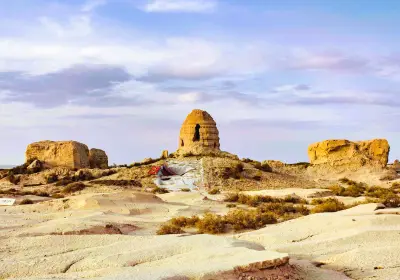
Suoyang Ancient City's allure lies in its evocative ruins and the breathtaking natural landscape that surrounds them. The ancient city walls, though significantly eroded by time, still stand as powerful symbols of the city's past. Walking along these remnants, imagining the bustling life that once flowed within, is a truly humbling experience. The sheer scale of the walls and the surrounding landscape offers a palpable sense of the city's strategic importance during its heyday on the Silk Road.
Beyond the city walls, the surrounding natural environment plays a crucial role in understanding Suoyang's history. The unique topography – a blend of desert landscapes and oases – shaped the city’s development and survival. Taking the time to explore the immediate vicinity will reward you with a deeper appreciation for the city's historical context and its intricate relationship with its environment. Look for signs of past irrigation systems, evidence of settlements beyond the main city walls, and the subtle ways the landscape continues to tell its story.
Respecting the Past: Cultural Sensitivity and Etiquette
Suoyang Ancient City is not merely a tourist attraction; it's a sacred space, a repository of history, and a testament to a significant period in human civilization. Therefore, upholding cultural sensitivity and respectful behavior is paramount. Follow any guidelines provided by your guide or any signage found at the site. Refrain from climbing on or damaging the ruins. Remember that you are a visitor in a place of historical significance, and your actions should reflect that respect. Dress modestly, and always maintain a quiet and contemplative demeanor. Photography is generally permitted, but it's prudent to ask your guide or any local authorities before capturing images in certain areas.
Capturing the Essence: Photography at Suoyang
Suoyang Ancient City provides unparalleled photographic opportunities. The interplay of light and shadow on the weathered city walls, the vast expanse of the surrounding desert, and the poignant beauty of the ruins all offer stunning visual narratives. Bring your camera, and be prepared to capture the essence of this remarkable site. However, remember to prioritize respectful photography; do not use flash excessively, as it can damage the ancient structures and detract from the experience for others. Consider capturing the scenes at different times of day, as the lighting changes dramatically, resulting in diverse and captivating images.
Planning Your Journey: Practical Considerations
- Water: Carry plenty of water, especially during warmer months. The desert climate can be dehydrating.
- Sun Protection: The sun is intense in this region. Protect yourself with sunscreen, a hat, and sunglasses.
- Appropriate Footwear: Wear sturdy, comfortable shoes suitable for walking on uneven terrain.
- Food: While there might be limited options for food and drink directly at the ruins, it's wise to carry snacks and water.
- Permits and Fees: Check with your tour operator or local authorities regarding any necessary permits or entrance fees.
Suoyang Ancient City offers a unique and rewarding travel experience, a journey back in time to a pivotal point in history. By following these tips and approaching your visit with respect and mindful planning, you can create unforgettable memories and gain a deeper understanding of this fascinating corner of the Silk Road. Remember to check the latest travel advisories and local regulations before your visit. Your journey into the past awaits!


