


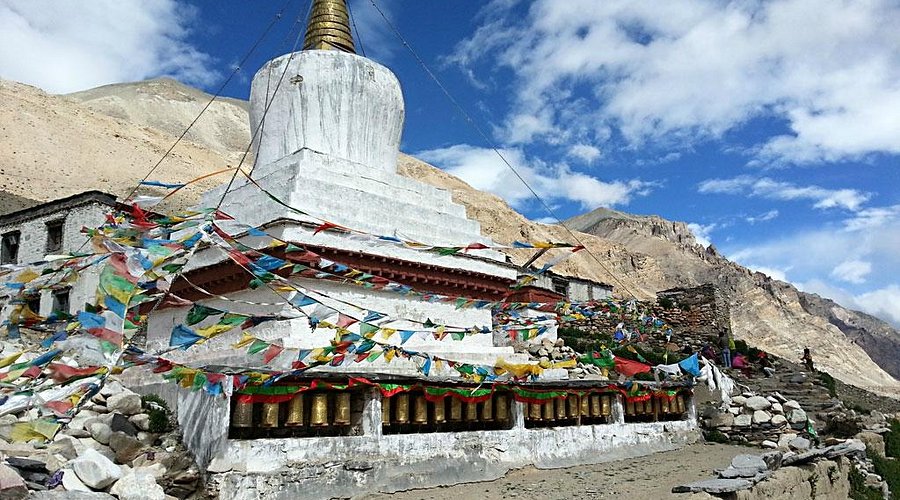
Conquering the Heights: A Comprehensive Guide to Visiting Rongbuk Monastery
Rongbuk Monastery. The name itself evokes images of breathtaking Himalayan panoramas, ancient spiritual practices, and the sheer, awe-inspiring presence of Mount Everest. Nestled at a staggering altitude of 4,980 meters (16,340 feet) – making it the highest monastery in the world – Rongbuk offers a pilgrimage unlike any other. But reaching this sacred site demands careful planning and preparation. This isn't just a tourist trip; it's an expedition into the heart of the Himalayas, both geographically and spiritually.
This guide will delve into the essential tips and considerations for planning your unforgettable journey to Rongbuk Monastery, ensuring a safe, respectful, and enriching experience.
1. Timing is Everything: Choosing the Optimal Season
The harsh realities of high-altitude travel necessitate a strategic approach to timing your visit. As highlighted by resources like Windhorse Tour (https://windhorsetour.com/tibet-attraction/rongbuk-monastery-tibet) and Travel China Guide (https://www.thechinaguide.com/sight/rongbuk-monastery), spring (April-June) and autumn (September-October) present the most favorable conditions. These seasons offer milder temperatures, clearer skies for those iconic Everest views, and less likelihood of unpredictable weather events such as snowfall or intense storms that can significantly impact accessibility.
Summer (July-August) brings the monsoon season, increasing the chance of heavy rainfall and potential landslides, making the journey treacherous. Winter (November-March) sees freezing temperatures and heavy snowfall, rendering the monastery largely inaccessible to visitors.
2. Beyond the Monastery Walls: Allocating Sufficient Time
While two hours might seem sufficient to explore the monastery itself (as suggested by the sources), allowing at least a full day is strongly recommended. This will enable you to:
- Fully appreciate the monastery's architecture and spiritual significance: Take your time to wander through the prayer halls, marvel at the intricate murals and statues, and observe the monks' daily routines.
- Immerse yourself in the surrounding landscape: The views of Everest are simply unparalleled, and taking the time to absorb this breathtaking scenery from various vantage points is crucial. Consider a short hike to gain different perspectives.
- Account for potential delays: High altitude travel often involves unforeseen delays due to weather conditions or vehicle issues.
- Acclimatize effectively: Spending more time at the altitude will allow your body to adjust, reducing the risk of altitude sickness.
3. The Journey to Rongbuk: Navigating the Road to Everest Base Camp
Reaching Rongbuk Monastery requires traveling to Tingri County first, followed by a further journey along a challenging, high-altitude road. The options are primarily:
- Guided Tour: This is highly recommended, particularly for first-time visitors to Tibet. A reputable tour operator will handle all the logistics, including permits, transportation, accommodation, and providing essential information about altitude safety.
- Self-Drive: This option requires significant experience driving in challenging mountainous terrain, a 4x4 vehicle suitable for high-altitude conditions, and a thorough understanding of Tibetan driving regulations and permit requirements. It's generally not advised for inexperienced drivers.
Regardless of your chosen mode of transport, be prepared for a long and potentially arduous journey. The road conditions can be unpredictable, and altitude sickness can impact driving ability. Plan for plenty of breaks and be aware of potential delays.
4. Finding Your Rest: Accommodation Options at Rongbuk
The monastery itself offers basic guesthouse accommodation. While not luxurious, it offers a unique and immersive experience, placing you in close proximity to the spiritual heart of the region and offering incredible sunrise views of Everest. However, be aware that facilities are basic, and amenities may be limited.
Alternatively, you might consider staying in Tingri County and undertaking a day trip to Rongbuk. This offers more comfortable lodging options, but it will require an early start and an earlier return. The choice depends on your preferences and tolerance for basic conditions.
5. High-Altitude Strategies: Acclimatization is Key
The altitude at Rongbuk Monastery is extremely high, presenting a significant risk of altitude sickness (AMS). This is not something to be taken lightly. Prioritize acclimatization:
- Gradual Ascent: Avoid rushing the ascent. Spend several days at lower altitudes before reaching Rongbuk to allow your body to adjust gradually. Consider spending time in Shigatse or other lower altitude locations first.
- Hydration: Drink plenty of water throughout your journey. Dehydration exacerbates altitude sickness.
- Rest: Avoid strenuous activity on arrival. Allow your body time to acclimatize.
- Medication: Consult your doctor about altitude sickness medication and preventative measures.
- Monitor Yourself: Be aware of symptoms such as headache, nausea, shortness of breath, and dizziness. If you experience any of these, descend to a lower altitude immediately.
6. Respect and Reverence: Cultural Sensitivity at a Sacred Site
Rongbuk Monastery is a sacred place of worship. Showing respect for the local culture and customs is paramount:
- Dress Modestly: Cover your shoulders and knees. Avoid wearing revealing clothing.
- Be Quiet and Observant: Speak softly and avoid disruptive behavior. Observe the monks' practices respectfully.
- Photography: While photography is generally allowed, be mindful of the monks' privacy and avoid intrusive photography. Ask for permission before taking photos of individuals.
- Offerings: You can make a small donation if you wish, but this is not mandatory.
- Leave No Trace: Pack out all your trash and respect the fragile environment.
Your journey to Rongbuk Monastery promises an unforgettable experience. By carefully considering these tips and prioritizing safety and cultural sensitivity, you can embark on a meaningful and awe-inspiring pilgrimage to one of the world's most unique and spectacular locations. Remember to check the latest travel advisories and visa requirements before your trip. Your preparation will determine the success and enjoyment of your adventure to this spiritual haven nestled beneath the shadow of Everest.


