


Conquering Clouds and Carvings: Your Comprehensive Guide to Exploring Mount Sanqing
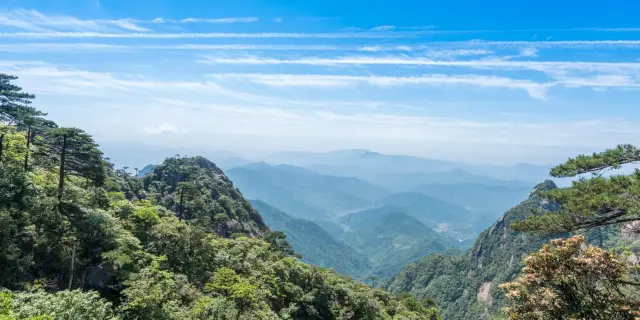
Mount Sanqing, a UNESCO World Heritage site nestled in the heart of Jiangxi Province, China, is more than just a mountain. It's a symphony of granite peaks, sculpted by time and weather, draped in verdant forests, and shrouded in ethereal mists. Often described as an “open-air museum of granite landscapes,” Sanqing offers a breathtaking experience for hikers, nature lovers, and photographers alike. But navigating this majestic mountain requires planning. This comprehensive guide aims to equip you with everything you need to know to make the most of your trip to Mount Sanqing, from transportation and accommodation to hiking trails and local cuisine.
Why Choose Mount Sanqing? A Unique Tapestry of Nature and Culture
Before diving into the practicalities, let's appreciate what makes Sanqing so special. Unlike some of China's more heavily touristed mountains, Sanqing retains a sense of untouched beauty and tranquility. The dramatic granite formations, carved over millennia by wind and rain, are a sight to behold. Imagine towering pillars resembling gods and goddesses, whimsical animal shapes, and breathtaking canyons, all framed by swirling clouds. Beyond the stunning landscapes, Sanqing also holds spiritual significance, with numerous Taoist temples and shrines dotting the mountain, adding a layer of cultural depth to your journey.
Planning Your Sanqing Adventure: A Step-by-Step Guide
1. Getting There: The Road to the Clouds
- International Arrival: If you're coming from outside China, you'll likely fly into a major city like Shanghai, Beijing, or Guangzhou. From there, you'll need to take a domestic flight or train to reach closer to Mount Sanqing.
- Shanghai to Yushan: The Express Route: As highlighted by this website, the fastest and most convenient option is to take a high-speed train from Shanghai Hongqiao Railway Station to Yushan South Station. This journey takes approximately 3 hours. Book your train tickets in advance, especially during peak season, through websites like Ctrip (Trip.com) or directly from the China Railway website (though this might require some Chinese language knowledge).
- Yushan to Mount Sanqing: The Final Leg: Upon arrival at Yushan South Station, you'll find buses waiting to take you to the Mount Sanqing scenic area. These buses are generally inexpensive and take about an hour to reach the mountain entrance. Be aware that the bus schedule might be limited outside of peak tourist seasons. Alternatively, you can hire a taxi or a private car, but this will be significantly more expensive.
- Consider Shangrao: Another approach, especially if you are coming from other regions in China, is to arrive at Shangrao Railway Station or Airport. From Shangrao, buses also connect directly to Mount Sanqing. This website provides helpful information on transportation options from Shangrao.
2. Timing is Everything: When to Visit for Optimal Beauty
- Spring (April-May): A Verdant Awakening: Spring offers pleasant temperatures, blooming flowers, and lush greenery. The air is fresh, and the mountain comes alive with vibrant colors. However, be prepared for occasional rain.
- Autumn (September-October): A Golden Tapestry: Autumn is arguably the best time to visit. The weather is mild and dry, and the mountain is painted in stunning hues of red, orange, and gold. The visibility is also excellent, offering breathtaking panoramic views.
- Summer (June-August): Embrace the Heat (and Crowds): Summer brings hotter temperatures and higher humidity. It's also peak tourist season, so expect larger crowds and potentially higher prices. However, summer also offers the best chance for dramatic cloudscapes and stunning sunsets.
- Winter (November-March): A Snowy Wonderland (for the Brave): Winter brings cold temperatures, snow, and ice. Some trails may be closed due to weather conditions. However, if you're prepared for the cold and enjoy winter landscapes, Sanqing in winter can be a magical experience with snow-covered peaks and frozen waterfalls.
3. Conquering the Trails: Exploring Sanqing's Wonders
Mount Sanqing boasts a network of well-maintained trails that cater to different fitness levels and interests. Here are a few popular options:
- West Coast Scenic Trail (Xihai Scenic Trail): This is arguably the most famous and spectacular trail, offering stunning views of the granite peaks, deep valleys, and swirling clouds. The trail is relatively flat and easy to walk, making it accessible to most visitors. Allow 3-4 hours to complete this loop.
- Sunshine Coast Scenic Trail (Yangguang Coast Scenic Trail): This trail offers equally breathtaking views, particularly during sunrise and sunset. It's slightly more challenging than the West Coast Trail, with some steeper sections. Allow 3-4 hours to complete this loop.
- South Mountain Scenic Area: This area features impressive rock formations, Taoist temples, and lush forests. The trails are more challenging, with steeper climbs and uneven terrain.
- Jinsha Cableway: As mentioned by this website, taking the Jinsha Cableway is a great way to ascend the mountain quickly and enjoy panoramic views. It can also be used to access different sections of the trail network. Consider taking the cableway up and hiking down for a more manageable experience.
Important Hiking Tips:
- Wear appropriate footwear
- Bring plenty of water and snacks
- Wear layers of clothing
- Bring sunscreen, a hat, and sunglasses
- Be aware of your surroundings
- Download offline maps
- Hire a guide (optional)
4. Finding Your Sanctuary: Accommodation Options
- At the Base of the Mountain: Staying near the base of the mountain, as suggested by this website, offers the most convenience, especially if you plan to start hiking early. You'll find a range of hotels and guesthouses catering to different budgets. Consider options in Jinshaxi Township, which is the main gateway to the scenic area. Search on websites like Booking.com, Ctrip (Trip.com), or Agoda.
- On the Mountain (Limited): There are a few basic guesthouses located on the mountain itself, offering a more immersive experience. However, these options are typically more expensive and offer fewer amenities. Book well in advance, especially during peak season. Remember that carrying your luggage up to these guesthouses will be necessary, so pack light!
5. A Culinary Journey: Savoring Local Flavors
Don't miss the opportunity to sample the local cuisine in nearby towns. Jiangxi cuisine is known for its bold flavors, using fresh ingredients and a generous amount of chili peppers. Some dishes to try include:
- Jiangxi Rice Noodles (Jiangxi Mifen)
- Braised Pork with Preserved Vegetables (Mei Cai Kou Rou)
- Spicy Frog (La Zi Tian Ji)
Explore local restaurants and street food stalls to discover hidden culinary gems. Be adventurous and try new things!
6. Essential Tips for a Smooth Trip
- Visa Requirements
- Currency
- Language
- VPN
- WeChat and Alipay
- Bargaining
- Respectful Travel
Mount Sanqing awaits!
With careful planning and preparation, your trip to Mount Sanqing will be an unforgettable adventure. From the breathtaking landscapes to the rich cultural heritage, this majestic mountain offers a truly unique and rewarding experience. So, pack your bags, lace up your hiking boots, and prepare to be amazed by the beauty of Mount Sanqing!


