


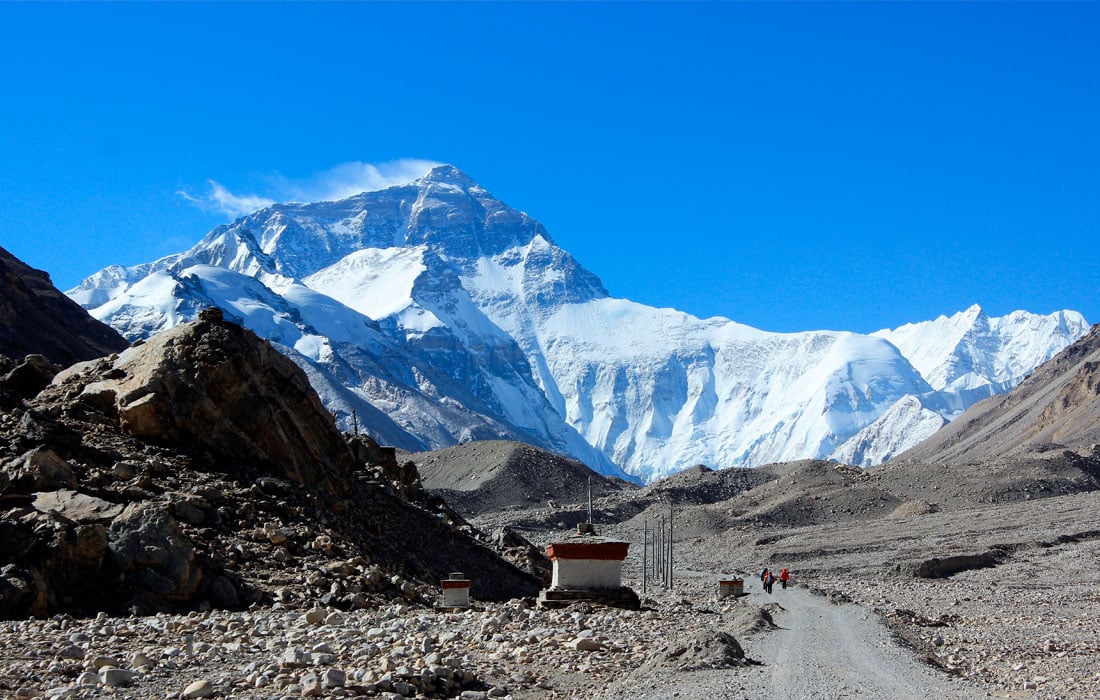
Conquering the Roof of the World: A Comprehensive Guide to Reaching Everest Base Camp (Tibet Side)
Everest Base Camp. The name conjures images of breathtaking landscapes, towering peaks piercing the sky, and the exhilarating challenge of venturing into one of the world's most remote and awe-inspiring regions. Reaching Everest Base Camp from the Tibetan side offers a unique perspective, a journey less traveled than the Nepal route, and one that demands careful planning and respect for the challenging environment and rich culture. This blog post will delve into the essential aspects of planning your trip, ensuring a safe, enriching, and unforgettable experience.
1. Navigating the Permit Maze: Your Passport to the Himalayas
Before even considering your packing list, securing the correct permits is paramount. Independent travel in Tibet is severely restricted, so independent exploration is essentially impossible. This means you must book a tour through a reputable agency. They will handle the crucial paperwork, saving you significant headaches. The two main permits you'll need are:
- Tibet Tourism Bureau (TTB) Permit: This is the fundamental permit required for entering Tibet itself. Your tour operator will apply for this on your behalf. Expect some processing time, so plan well in advance.
- Travel Permits for Areas Outside Lhasa: Everest Base Camp falls outside Lhasa's jurisdiction, requiring additional permits for specific regions you'll traverse. Again, your tour operator will manage this process. Don't attempt to navigate this bureaucracy alone; it's incredibly complex.
Further Reading:
Understanding the complexities of Tibetan permits is crucial. Start your research with these resources:
- Uncharted Backpacker: The Road to Everest – Everest Base Camp, Tibet offers practical insights into the journey.
- TripSavvy: Everest Base Camp (Tibet Side) Visitor's Guide provides a good overview of the trip, including permit information.
2. The Power of the Group: Embracing the Collective Journey
Forget the lone wolf adventurer fantasy in Tibet. Solo travel to Everest Base Camp from the Tibetan side is strictly prohibited. You must travel as part of a guided group tour. This is not just a bureaucratic hurdle; it's a safety measure. The high altitude, unpredictable weather, and remote location demand the support and expertise of experienced guides.
Your tour group will provide crucial support in various aspects:
- Logistics: Handling permits, transportation (often involving challenging jeep journeys), accommodation, and meals.
- Safety: Guides are trained to identify and manage altitude sickness, navigate challenging terrain, and ensure the safety of the group.
- Cultural Understanding: Experienced guides provide valuable context about the Tibetan culture and traditions, enriching your experience.
3. Acclimatization: The Key to Avoiding Altitude Sickness
The thin air at high altitudes presents a significant challenge. Altitude sickness, with symptoms ranging from mild headaches to life-threatening conditions, is a serious risk. Ignoring acclimatization is reckless. Your itinerary must include several days in Lhasa (around 3,650 meters/11,975 feet) before heading towards Everest Base Camp. This allows your body to gradually adjust to the reduced oxygen levels.
Strategies for effective acclimatization include:
- Gradual Ascent: Avoid rapid increases in altitude.
- Hydration: Drink plenty of water to maintain hydration.
- Rest: Get plenty of rest to allow your body to adjust.
- Listen to your body: Pay close attention to any symptoms and descend if necessary.
- Consider Diamox: Consult your doctor about the use of Diamox (acetazolamide), a medication that can help alleviate altitude sickness symptoms. However, this is only one part of acclimatization; it shouldn't be considered a replacement for proper planning.
4. Timing Your Ascent: Choosing the Optimal Window
The weather in the Himalayas is notoriously unpredictable. To maximize your chances of clear views and pleasant trekking conditions, plan your trip during the shoulder seasons:
- April to June: Spring offers pleasant temperatures and clearer skies. However, be prepared for occasional snow.
- September to October: Autumn brings stable weather and stunning autumnal colors.
Avoid the monsoon season (July and August) as heavy rainfall and unpredictable weather can make trekking extremely challenging and dangerous.
5. Packing for the Extremes: Essential Gear for a High-Altitude Adventure
Packing for Everest Base Camp requires careful consideration. Temperatures can fluctuate dramatically, even within a single day. Layer your clothing to adapt to changing conditions. Here's a basic packing list:
- Warm Clothing: Multiple layers of thermal underwear, fleece jackets, down jacket, waterproof and windproof outer shell, warm hat, gloves, and scarf.
- Hiking Boots: Sturdy, waterproof hiking boots broken in well before your trip.
- Trekking Poles: These offer significant support on challenging terrain.
- Sleeping Bag: A high-quality sleeping bag rated for sub-zero temperatures.
- Sunscreen & Lip Balm: High-altitude sun is intense, even on cloudy days.
- Water Purification Tablets or Filter: Access to clean drinking water can be limited.
- First-Aid Kit: Include altitude sickness medication (if prescribed by your doctor), pain relievers, antiseptic wipes, and blister treatment.
- Headlamp or Flashlight: Essential for navigating in the dark.
- Camera & Extra Batteries: Capture the stunning scenery!
- Personal Toiletries: Biodegradable options are recommended to minimize environmental impact.
6. Respecting the Culture: Engaging with the Tibetan People
Tibet's unique culture and spiritual heritage are integral to the experience. Show respect by:
- Dressing Modestly: Avoid revealing clothing when visiting monasteries and religious sites.
- Obtaining Permission: Always ask for permission before taking photographs of people.
- Learning Basic Tibetan Phrases: A few basic greetings demonstrate respect and enhance interaction.
- Supporting Local Businesses: Patronizing local shops and restaurants helps support the community.
- Being Mindful of Religious Practices: Observe religious ceremonies respectfully from a distance.
7. Choosing Your Tour Operator: The Foundation of Your Success
The success of your Everest Base Camp trek heavily relies on choosing a reputable tour operator. Research thoroughly, compare prices and itineraries, and look for operators with:
- Experienced Guides: Check their experience and qualifications.
- Positive Reviews: Read reviews from previous clients.
- Comprehensive Itineraries: Ensure the itinerary addresses acclimatization, permits, and safety considerations.
- Transparent Pricing: Understand all the included and excluded costs.
- Commitment to Sustainability: Choose operators committed to minimizing their environmental impact.
Reaching Everest Base Camp from the Tibetan side is a journey that will challenge you physically and spiritually, rewarding you with unforgettable memories and a profound connection with the Himalayas. Thorough planning, respect for the environment and culture, and a responsible approach to travel will ensure a safe, enriching, and truly unforgettable experience. Remember to always prioritize safety and acclimatization – they are the cornerstones of a successful expedition.


