


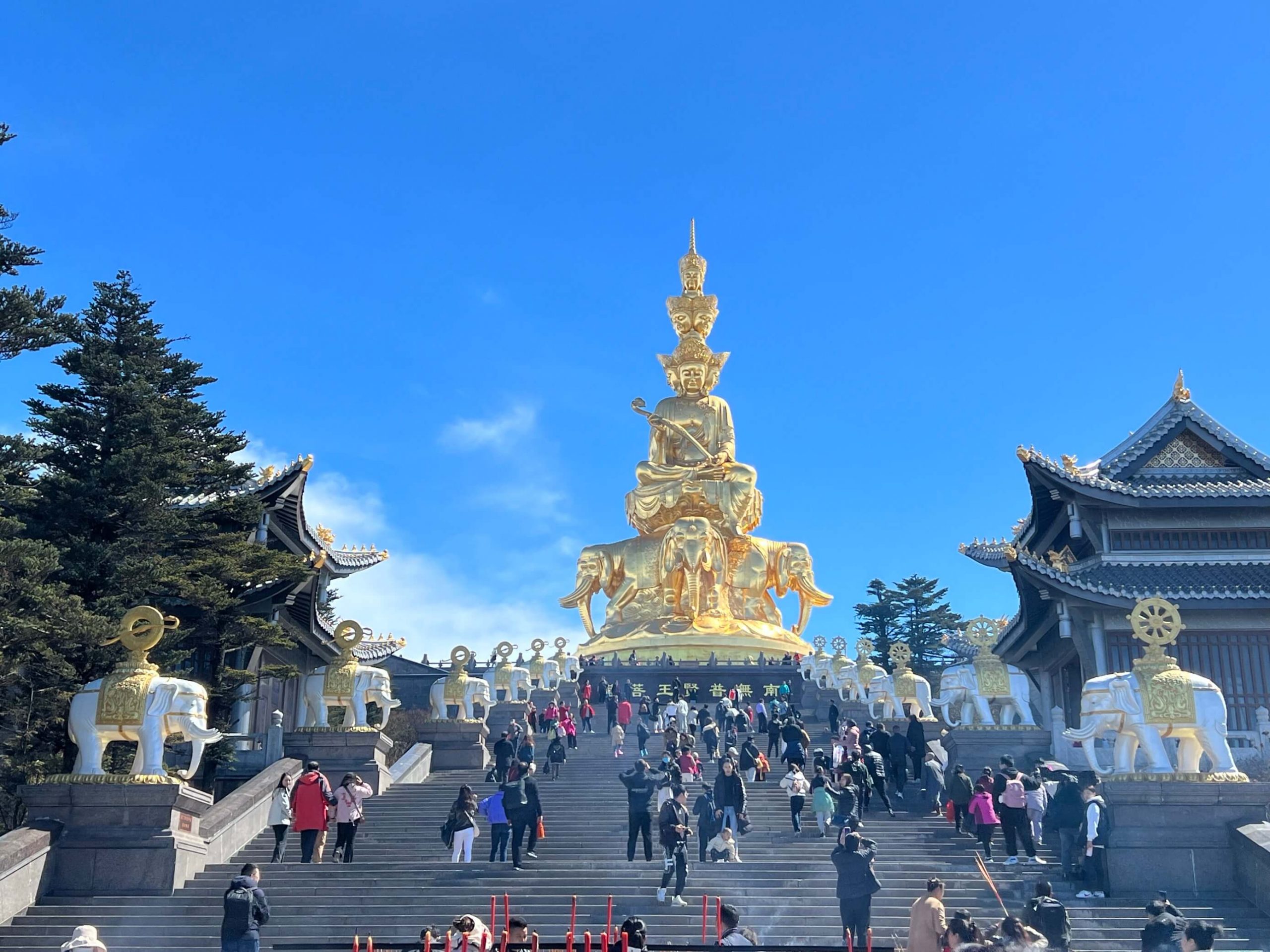
Conquering the Golden Summit: An In-Depth Guide to Mount Emei
Mount Emei, a UNESCO World Heritage site, stands as a majestic testament to the power of nature and the serenity of Buddhist spirituality. Its crowning glory, the Golden Summit (Jinding), offers breathtaking panoramic views and a profound spiritual experience. However, ascending this sacred peak requires careful planning and preparation. This detailed guide delves into essential travel tips, ensuring your journey to the Golden Summit is both rewarding and enjoyable.
I. Timing Your Ascent: Choosing the Perfect Season
The journey to the Golden Summit is best undertaken during the shoulder seasons: spring (April-June) and autumn (September-November). These periods boast pleasant temperatures, ideal for trekking or enjoying the cable car ride without the sweltering heat of summer or the biting cold of winter. Spring reveals the mountain’s awakening beauty, with vibrant foliage and blooming flowers. Autumn paints the landscape in warm hues of red and gold, creating a picturesque backdrop for your ascent. Summer, while offering stunning green vistas, can be intensely hot and humid, while winter brings freezing temperatures and potential snow, making trekking difficult and potentially dangerous.
II. Reaching the Summit: Transportation Options and Trekking Routes
Reaching the Golden Summit involves a choice between a scenic cable car ride and a challenging but rewarding trek.
Cable Car:
The most convenient option, the cable car significantly reduces travel time and physical exertion. It’s particularly helpful for those with limited mobility or those wanting to maximize their time at the summit to witness the sunrise or sunset. Numerous access points lead to different cable car stations. Be sure to check the operating hours and potential wait times, especially during peak seasons.
Trekking Routes:
For adventurous souls, several trekking routes offer varying levels of difficulty. These trails wind through stunning scenery, passing ancient temples and lush forests, providing a more immersive and spiritual experience. However, be prepared for steep inclines, uneven terrain, and potentially challenging weather conditions. Proper footwear, adequate hydration, and a good level of fitness are crucial. Several well-maintained paths exist, but researching specific routes beforehand is recommended to match your fitness level and time constraints. Consider utilizing trekking poles for stability and reducing strain on your knees and ankles.
III. Navigating the Wild: Encounters with Mount Emei's Inhabitants
Mount Emei is home to a mischievous and sometimes aggressive population of wild monkeys. As highlighted by Goworldtravel's article on Mount Emei, these creatures are notorious for their boldness and thievery.
Safety Precautions:
Never approach or feed the monkeys. Keep your belongings secure in bags and backpacks, ideally with zippers or closures that are difficult to access. Avoid wearing bright, shiny jewelry or carrying food openly. If confronted by a monkey, remain calm, avoid direct eye contact, and slowly move away. Do not attempt to chase them away. Reporting any aggressive encounters to park authorities is essential.
IV. Finding Sanctuary: Accommodation Options on the Mountain
Immerse yourself fully in the mountain's spiritual essence by spending a night at one of the many temples or guesthouses scattered along the mountain paths. This offers unparalleled opportunities to witness the breathtaking sunrise over the surrounding peaks, a truly unforgettable experience. These accommodations offer varying levels of comfort and amenities. Booking in advance, especially during peak season, is strongly recommended.
V. Essential Packing List: Preparing for Your Ascent
Proper packing is paramount for a comfortable and safe journey.
- Footwear: Sturdy, comfortable walking shoes or hiking boots are essential, especially if you plan to trek. Broken-in shoes are preferable to avoid blisters.
- Clothing: Pack layers to adapt to changing weather conditions. Include moisture-wicking base layers, lightweight fleece or down jacket, and rain gear. Consider sun protection like a hat and sunglasses.
- Essentials: Carry a reusable water bottle and fill it frequently, as access to water may be limited at higher altitudes. Pack high-energy snacks like nuts, dried fruits, or energy bars to maintain your energy levels. A first-aid kit with blister plasters and pain relievers is also recommended.
- Other Considerations: A headlamp or flashlight is valuable for navigating in low-light conditions, especially if you're planning an early morning sunrise viewing. Bring binoculars to fully appreciate the stunning views from the Golden Summit. Finally, respect the religious significance of the mountain by dressing modestly when visiting temples.
VI. Planning Your Itinerary: Maximizing Your Mount Emei Experience
A well-planned itinerary ensures you make the most of your time on Mount Emei. Consider:
- Travel Time: Allow ample time for travel to and from Emeishan city, as well as for the ascent and descent of the mountain.
- Activities: Plan your activities based on your fitness level and interests. Allocate enough time for exploring temples, trekking, and enjoying the views.
- Sunrise/Sunset: If witnessing sunrise or sunset from the Golden Summit is a priority, plan your accommodation and ascent accordingly.
VII. Resources and Further Information
For further planning and booking assistance, consult reputable travel agencies specializing in Mount Emei tours, such as Windhorse Tour (https://windhorsetour.com/blog/6-top-travel-tips-trip-mount-emei). Their blog offers valuable insights and practical advice. Remember to check official park websites for updated information on opening hours, entrance fees, and any potential restrictions.
By following these tips and meticulously planning your journey, you'll be well-prepared to conquer the Golden Summit of Mount Emei, creating an unforgettable experience filled with breathtaking views, spiritual serenity, and a thrilling adventure. Remember to be respectful of the environment and the religious significance of this sacred mountain, leaving only footprints and taking only memories.


