


Unveiling the Secrets of Lulang Forest: A Comprehensive Travel Guide to the "Chinese Swiss Alps"
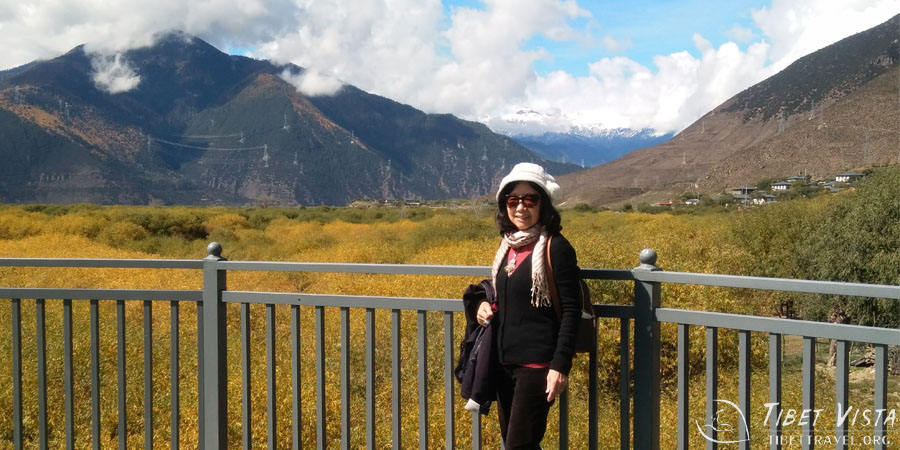
Lulang Forest, nestled in the heart of Nyingchi County in Tibet, is a breathtaking spectacle often dubbed the "Chinese Swiss Alps." Its rolling hills carpeted in lush greenery, punctuated by snow-capped peaks and winding rivers, create a landscape that's both majestic and serene. Planning a trip to this hidden gem requires careful consideration, and this guide aims to provide you with everything you need for a safe and unforgettable experience. We'll delve deeper into the provided tips, adding practical advice and enriching your understanding of what awaits you in this magical corner of the world.
1. Timing is Everything: When to Embrace the Beauty of Lulang Forest
The provided advice correctly highlights July to September as the optimal time to visit Lulang Forest. This period boasts the most favorable weather conditions, with pleasant temperatures and minimal rainfall. The forest explodes with vibrant life, showcasing its full potential. However, let's unpack this further:
- July: Expect warm days and cooler nights. This month provides a balance – comfortable for exploring during the day and allowing for cozy evenings. The vegetation is at its peak, but you might encounter some occasional showers.
- August: Often considered the peak season, August brings consistently pleasant weather, ideal for hiking and enjoying the scenic viewpoints. Expect larger crowds, so booking accommodation in advance is crucial.
- September: The weather starts to cool down, offering crisp mornings and sunny afternoons. The crowds thin out compared to August, providing a more tranquil experience. However, you should be prepared for potential early snowfall at higher altitudes.
Beyond the Ideal Window:
While July to September is ideal, visiting outside these months is not impossible. Spring (April-June) can offer stunning wildflowers, but be prepared for unpredictable weather, including potential rain and snow. Autumn (October-November) brings breathtaking colors as the leaves change, but the weather can be significantly colder, and some trails may be inaccessible. Winter (December-March) transforms the landscape into a winter wonderland, but severe cold and potential road closures make access challenging. Thorough research and flexibility are crucial for off-season visits.
2. More Than Just a Glimpse: Determining Your Lulang Forest Itinerary
The suggestion of a 1-2 hour visit is a starting point. The reality is, the time needed heavily depends on your interests and activity level. A quick drive-through will give you a taste of the scenery, but to truly appreciate Lulang Forest, dedicate more time. Here's a possible breakdown:
- 1-2 hours: A quick drive through the main roads, stopping at a few key viewpoints for photos. Ideal for those short on time or passing through on a larger itinerary.
- Half-day: Allows for a leisurely drive, short hikes on accessible trails, and exploration of nearby attractions like the Lulang Meadow.
- Full-day or more: Opens up opportunities for more challenging hikes, picnics amidst the stunning scenery, and even overnight stays in nearby villages to fully immerse yourself in the local culture.
3. Shielding Yourself from the Tibetan Sun: Essential Sun Protection Strategies
The high altitude and thin atmosphere in Tibet significantly increase the intensity of UV radiation. Sunscreen is non-negotiable, opting for a broad-spectrum SPF 30 or higher. However, sunscreen alone isn’t enough. Here’s a more comprehensive approach:
- Protective Clothing: Wear long-sleeved shirts, long pants, and a wide-brimmed hat to minimize sun exposure.
- Sunglasses: Protect your eyes from the intense glare with high-quality sunglasses offering UV protection.
- Lip Balm with SPF: Don’t forget your lips! Chapped lips are common at high altitude, exacerbated by the sun.
- Regular Application: Reapply sunscreen every two hours, especially after sweating or swimming.
4. Mastering the Altitude: Acclimatization is Key
Altitude sickness is a serious concern in Lulang Forest, located at a significant elevation. Don't underestimate the impact of altitude, even for experienced travelers. Here's how to minimize the risk:
- Gradual Ascent: If possible, spend a few days acclimatizing at lower altitudes before heading to Lulang Forest. This allows your body to adjust gradually.
- Hydration is Crucial: Drink plenty of water throughout your trip. Dehydration exacerbates altitude sickness symptoms.
- Listen to Your Body: Pay close attention to any symptoms like headache, nausea, dizziness, or shortness of breath. If you experience these, descend to a lower altitude immediately.
- Medication: Consider consulting your doctor about altitude sickness medication, especially if you have pre-existing health conditions. Diamox is commonly used but should only be taken under medical supervision.
- Avoid Alcohol and Smoking: These can worsen altitude sickness symptoms.
Beyond the Basics: Enriching Your Lulang Forest Experience
- Accommodation: Options range from basic guesthouses to more comfortable hotels in nearby towns like Bayi. Book in advance, especially during peak season.
- Transportation: Hiring a driver is recommended for easy navigation and flexibility. Public transport is available but may be less convenient.
- Respect Local Culture: Lulang Forest is part of a vibrant Tibetan community. Dress respectfully, be mindful of local customs, and learn a few basic Tibetan phrases.
- Photography: Bring your camera! The scenery is breathtaking, and capturing the beauty of Lulang Forest will be a cherished memory.
Resources:
- Explore Tibet - Lulang Forest: https://www.exploretibet.com/tibet-attraction/lulang-forest/
- Mysterious Tibet - Lulang Forest Travel Tips: https://mysterioustibet.com/lulang-forest-bayi-district-nyingchi.html
By following these tips and planning meticulously, you'll be well-prepared to embark on an unforgettable journey to the enchanting Lulang Forest, a place that will leave an indelible mark on your soul. Remember to always prioritize safety and respect the environment and the local culture. Enjoy your adventure!


