


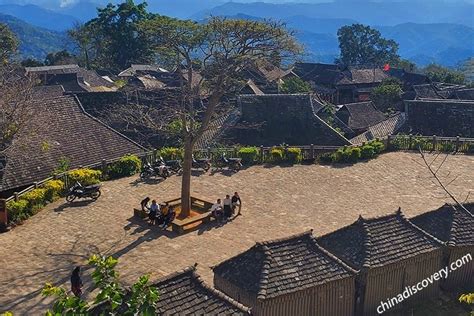
Unveiling the Secrets of Jingmai Mountain: A Comprehensive Travel Guide
Jingmai Mountain, a hidden gem nestled in the heart of Yunnan, China, beckons adventurers and tea aficionados alike. This remote mountain range, draped in emerald tea plantations and shrouded in ancient folklore, offers a journey far removed from the hustle of modern life. While its secluded nature adds to its charm, proper planning is key to unlocking the full potential of your Jingmai Mountain experience. This detailed guide will equip you with the knowledge and insights to navigate this captivating destination.
I. Timing Your Ascent: The Best Time to Visit Jingmai Mountain
The optimal time to visit Jingmai Mountain is during the dry season, spanning from October to April. This period offers the most pleasant hiking conditions, with clear skies and comfortable temperatures. December, in particular, emerges as a favourite amongst seasoned travellers, boasting crisp air perfect for exploring the sprawling tea plantations. The lush green landscape transforms into a stunning tapestry of vibrant colours during this time. However, bear in mind that this is also peak season, so booking accommodations and transportation well in advance is crucial. Conversely, the wet season (May to September) brings heavy rainfall, which can make hiking treacherous and limit visibility. While the mountain's beauty remains, it's advisable to avoid this period unless you are specifically prepared for challenging weather conditions.
II. Reaching the Heights: Transportation to Jingmai Mountain
Reaching Jingmai Mountain requires careful consideration of transportation, as its remote location presents a unique challenge. Simply put, relying on spontaneous travel decisions is ill-advised. Pre-planning your transport is essential.
Fly into Kunming:
Most travellers will arrive at Kunming Changshui International Airport (KMG). From there, several options exist:
- Bus: This is the most economical option, but it's also the longest. Buses travel from Kunming to Pu'er, the nearest significant city to Jingmai Mountain, and then onward to Lancang County. From Lancang, you'll likely need to hire a local taxi or negotiate a ride with a driver to reach your chosen accommodation in the mountain villages. This journey can easily take an entire day.
- Private Car/Hire a Driver: This offers significantly greater flexibility and speed. Hiring a driver from Kunming directly to Jingmai Mountain is considerably more expensive but saves a significant amount of time and hassle. This is particularly recommended if you're travelling with luggage or are uncomfortable with navigating public transport in rural China.
- Train to Pu'er: This is an alternative to the bus from Kunming, potentially cutting down on travel time, depending on the train schedule. However, you would still require additional transport from Pu'er to Jingmai Mountain.
Local Transportation within Jingmai Mountain:
Once in the area, expect to rely on local buses, taxis, or hired motorbikes for navigating between villages and hiking trails. Negotiating prices beforehand is strongly recommended. Many trails are accessible only on foot, adding to the adventure and the charm of the region.
III. Navigating Cultural Nuances: Respecting Local Customs
Jingmai Mountain is home to various ethnic minority groups, primarily the Bulang people, who have deep-rooted traditions and customs. Showing respect for their culture is paramount to a positive experience. Here are some key considerations:
- Dress modestly: When visiting villages, avoid wearing revealing clothing.
- Ask permission before taking photos: Always ask permission before photographing people, especially in villages or during ceremonies. A simple nod and a smile often suffice, but it’s best to show respectful deference.
- Learn a few basic Mandarin phrases: Even a few basic greetings go a long way in showing respect and willingness to engage.
- Engage respectfully with tea farmers: Many farmers are happy to share their knowledge and experiences. Showing genuine interest and appreciation for their work will be warmly received. Remember, you are a guest in their home and community.
IV. Finding Your Rest: Accommodation Options on Jingmai Mountain
Accommodation options on Jingmai Mountain range from basic, family-run guesthouses to more comfortable, albeit still rustic, hotels and lodges. The level of luxury available is limited by the remote nature of the area.
- Guesthouses: These offer authentic experiences, often nestled within the villages themselves, providing a unique opportunity to interact with locals. However, expect basic amenities.
- Hotels/Lodges: A few higher-end options exist, providing more comfort and potentially Western-style amenities. However, their availability is often limited, highlighting the need for pre-booking.
Regardless of your choice, booking in advance is highly recommended, especially during peak season. Websites such as Ctrip (Chinese equivalent of Expedia) may provide access to more local accommodation options.
V. Packing Essentials: Preparing for Your Jingmai Mountain Adventure
Preparation is key to a successful trip. Here’s a packing list to ensure you're well-equipped:
- Comfortable hiking shoes
- Reusable water bottle
- Sun protection (sunscreen, hat, sunglasses)
- Insect repellent
- Rain gear
- Camera
- First-aid kit
- Appropriate clothing (layers)
VI. A Culinary Journey: Exploring the Flavors of Jingmai Mountain
Jingmai Mountain's culinary scene is deeply rooted in its unique agricultural landscape, particularly its renowned tea production. Be sure to try:
- Jingmai Mountain Tea: The region's claim to fame! Sample various types, from raw Pu-erh to ripe Pu-erh, each offering distinct flavour profiles. Many tea farms offer tasting sessions.
- Local Dishes: Explore the region's authentic cuisine, featuring fresh, locally sourced ingredients. Ask your hosts or guides for recommendations. Expect hearty and flavourful dishes reflecting the local traditions.
By embracing the local culinary offerings, you add another layer of cultural immersion to your Jingmai Mountain experience.
VII. Resources and Further Reading:
Conclusion:
Jingmai Mountain offers a truly unique travel experience. By understanding its nuances, planning ahead, and embracing its rich culture, you can unlock a memorable journey filled with breathtaking landscapes, rich traditions, and the unforgettable taste of authentic Jingmai Mountain tea. Remember to respect the environment and the local communities that make this hidden paradise so special. Your journey awaits!


