


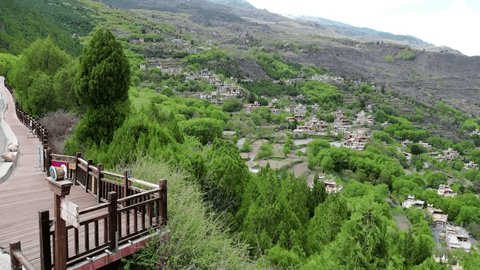
Unveiling the Magic: An In-Depth Guide to Exploring Danba's Tibetan Villages
Danba, nestled in the heart of Sichuan Province, China, is a hidden gem, a tapestry woven with vibrant Tibetan culture, breathtaking landscapes, and a tranquility that lingers long after you leave. Its iconic villages, particularly Jiaju and Zhonglu, are famed for their unique architecture, stunning natural beauty, and the rich heritage they represent. However, planning a trip requires careful consideration to ensure a respectful and rewarding experience. This comprehensive guide delves into the nuances of exploring Danba's Tibetan villages, providing invaluable insights beyond the typical travel tips.
Timing is Everything: When to Visit Danba for the Best Experience
The ideal time to visit Danba aligns perfectly with the changing seasons, each offering a unique charm:
- Spring (April-June): This is arguably the best time to visit. The valleys explode with vibrant colours as wildflowers bloom, painting the landscape with a stunning palette. The weather is generally mild and pleasant, making for comfortable hiking and exploration. However, be prepared for occasional showers.
- Autumn (September-October): Autumn paints the mountainsides in fiery hues of red, orange, and gold. The crisp air and clear skies offer unparalleled photographic opportunities. The crowds are typically smaller than in spring, offering a more tranquil experience.
- Summer (July-August): While the weather is warm, it can also be quite rainy, potentially impacting your travel plans. The lush green landscapes are certainly beautiful, but the increased rainfall could hinder outdoor activities.
- Winter (November-March): Winter brings snow, transforming the landscape into a winter wonderland. However, accessibility can be limited due to snow and ice on roads, and many guesthouses may be closed. If you're prepared for challenging conditions and appreciate snowy landscapes, winter can be a unique experience.
Reaching Danba: Navigating the Journey
The most common route to Danba is via Chengdu, the capital of Sichuan Province. This involves a bus journey, typically lasting several hours, depending on the chosen route and traffic conditions.
- Bus Travel: Buses are readily available from Chengdu's Xinnanmen Bus Station. Confirm schedules well in advance, especially during peak seasons, as they can vary and availability can be limited. Consider booking tickets online or through travel agencies for a smoother experience. The journey can be scenic, but it can also be long and potentially bumpy, so prepare accordingly.
- Private Car Hire: For more flexibility and comfort, hiring a private car or joining a guided tour is an excellent option. This allows for more stops along the way to appreciate the scenery and eliminates the hassle of navigating public transportation.
- Internal Transport: Once in Danba, you'll likely need to rely on local buses or hired vehicles to explore the various villages. Local buses are affordable but infrequent, while private transportation offers more convenience.
Accommodation: Finding Your Perfect Sanctuary
Danba offers a range of accommodation options, catering to different budgets and preferences:
- Guesthouses: These are prevalent in the villages of Jiaju and Zhonglu, offering a more immersive and authentic experience. They often provide basic but comfortable amenities, and the opportunity to interact with locals.
- Hotels: While less common than guesthouses, a few hotels are available in Danba County town and offer more modern amenities.
- Booking in Advance: Essential, particularly during peak seasons (spring and autumn). Popular guesthouses and hotels can fill up quickly, leaving you with limited choices or potentially no options at all.
Respecting the Culture: Etiquette and Considerations
Danba is deeply rooted in Tibetan Buddhist culture, and respectful behaviour is paramount:
- Photography: Always ask permission before taking photographs of individuals, particularly monks and nuns. Respect their privacy and avoid intrusive photography.
- Dress Code: Dress modestly when visiting monasteries and temples. Avoid wearing revealing clothing.
- Religious Sites: Be mindful of your behaviour within religious sites. Speak softly, avoid loud noises, and observe any posted rules or guidelines.
- Bargaining: While bargaining is common in some markets, be polite and respectful. Avoid aggressive haggling.
- Learning Basic Tibetan Phrases: Even a few basic phrases will be greatly appreciated by the locals and will enhance your interactions. Simple greetings like "Ku-nye" (hello) and "Kye-pa" (thank you) go a long way.
Exploring the Villages: Unveiling the Architectural Gems
Jiaju and Zhonglu are the most iconic villages in Danba, each possessing unique charm:
- Jiaju Village: Famous for its distinctive red-brown watchtowers that stand sentinel over the valley. These towers were originally built for defence and later became symbols of the village's identity. The village is known for its picturesque setting and stunning photographic opportunities.
- Zhonglu Village: Boasts a more serene atmosphere compared to Jiaju, with its traditional Tibetan houses nestled along a clear river. The architecture is equally impressive, and the quieter setting allows for a more peaceful exploration.
- Other Villages: Explore beyond Jiaju and Zhonglu; Danba's surrounding areas hold other smaller, equally charming villages worth discovering.
Savor the Flavors: Indulging in Local Cuisine
Danba offers a culinary adventure, blending Tibetan and Chinese flavors:
- Try local Tibetan dishes: Many small restaurants within the villages serve traditional Tibetan cuisine. Look for dishes featuring yak meat, barley flour, and local vegetables.
- Explore the markets: Local markets offer a chance to taste fresh produce and snacks.
Practical Tips for a Smooth Trip
- Altitude Sickness: Danba sits at a relatively high altitude. Take it easy on your first day, stay hydrated, and consider altitude sickness medication if necessary.
- Weather: The weather in Danba can be unpredictable. Pack layers of clothing to adjust to changing conditions.
- Cash: While some places accept cards, carrying sufficient cash is advisable, particularly in smaller villages.
- Learn some basic Mandarin: While Tibetan is spoken, Mandarin is widely understood, particularly in larger towns.
- Communication: Download a translation app for easier communication if needed.
Resources
By carefully considering these factors, you can plan an unforgettable journey to Danba's Tibetan villages, immersing yourself in the region's rich culture and breathtaking beauty while respecting the traditions and people who call it home. Remember to embrace the unexpected, embrace the local culture, and create memories that will last a lifetime.


