


Conquering the Yellow Mountain: An In-Depth Guide to Huangshan
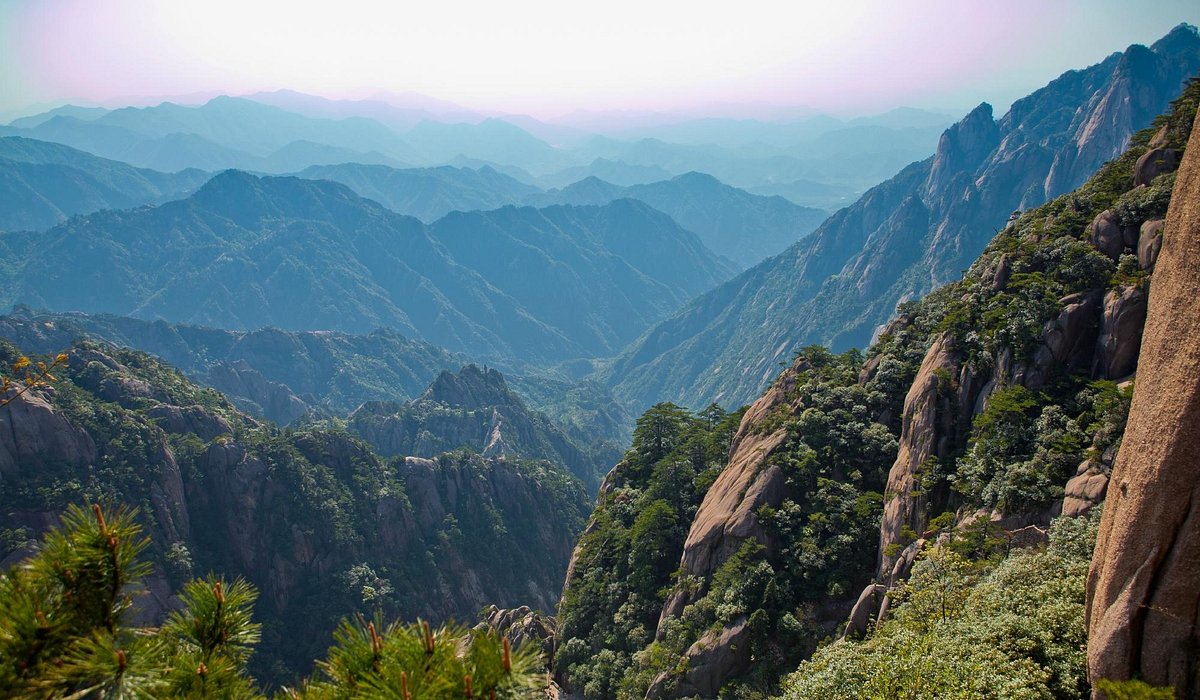
Huangshan, or Yellow Mountain, isn't just a mountain; it's a breathtaking spectacle, a UNESCO World Heritage site, and a testament to the power and beauty of nature. Its iconic granite peaks, shrouded in mist, ancient pine trees clinging precariously to cliffs, and stunning sunrises have captivated artists and travelers for centuries. Planning a trip to Huangshan requires careful consideration, so let's delve into the must-sees and must-dos to ensure your adventure is unforgettable.
I. The Majestic Yellow Mountain (Huangshan): The Heart of Your Journey
This is the undeniable star of the show. Reaching the summit is a journey in itself, often involving cable cars (a significant time saver) or a challenging but rewarding hike. The experience transcends the physical exertion; the views are simply unparalleled. Consider these key aspects:
- Choosing your route: Multiple routes ascend Huangshan, each offering unique perspectives and varying levels of difficulty. Researching these options before your trip is crucial. Consider your fitness level and time constraints when making your choice.
- Sunrise and Sunset Views: These are legendary. Secure a spot early (particularly for sunrise) to witness the sun painting the sky in vibrant hues, casting dramatic shadows across the peaks. Many viewpoints offer stunning vistas. Refer to maps and guidebooks to find ideal locations.
- Iconic Landmarks: Huangshan boasts numerous iconic features, including:
- Bright Summit (Guangmingding): Often the starting point for many hikes, it offers panoramic views.
- Lotus Peak (Lianshan): Famous for its unique shape and stunning sunrise views.
- Beginning to Believe Peak (Xiguang): Offers stunning views of the sea of clouds (weather permitting).
- Flying-Pheonix Stone (Feilai Feng): A dramatic rock formation resembling a phoenix in flight.
- The Sleeping Beauty Peak (Mengong Shan): A unique rock formation that looks like a reclining woman. These are just a few, and exploration is highly encouraged.
- Hot Springs: After a day of hiking, relax and rejuvenate in one of Huangshan's hot springs. Several resorts offer luxurious spa treatments and soothing thermal baths.
II. Beyond the Mountain: Exploring the Surrounding Gems
While Huangshan itself is the main attraction, the surrounding areas offer rich cultural and natural experiences:
A. Tunxi Ancient Street (屯溪老街):
As suggested by TripAdvisor (https://www.tripadvisor.com/Attractions-g303685-Activities-Huangshan_Anhui.html), this well-preserved ancient street is a must-visit. Wander through its charming alleys, admire the traditional architecture, and sample local delicacies. It provides a fascinating glimpse into the region's history and culture. Chinadiscovery (https://www.chinadiscovery.com/huangshan-tours/things-to-do.html) also highlights this location.
B. Ancient Villages:
Huangshan is surrounded by picturesque ancient villages, each with its unique character:
- Hongcun and Xidi: These UNESCO World Heritage sites are renowned for their stunning architecture, reflecting traditional Huizhou style. Explore their intricate alleyways, canals, and traditional houses. Many tours combine visits to both villages.
- Chengkan Village: A charming village less crowded than Hongcun and Xidi, offering a more tranquil and authentic experience.
III. Practical Considerations & Planning Your Trip:
- Best time to visit: Spring (April-May) and autumn (September-October) offer the most pleasant weather and fewer crowds. Summer can be hot and humid, while winter is cold and may experience snowfall (making the ascent challenging).
- Transportation: Huangshan is accessible by air (Tunxi International Airport) and train. From the airport or train station, you can take buses or taxis to the mountain base. Internal transportation within the mountain area includes cable cars and buses.
- Accommodation: Options range from budget-friendly hostels (as mentioned in the Reddit thread: https://www.reddit.com/r/travelchina/comments/16mqjt9/huangshan_for_dummies/) to luxurious hotels both on and off the mountain. Book in advance, especially during peak season.
- Fitness level: Assess your physical capabilities before attempting a hike. The trails can be strenuous, with numerous steps and uneven terrain.
- Packing Essentials: Comfortable walking shoes, layers of clothing (temperatures can fluctuate greatly), rain gear, sunscreen, a hat, and plenty of water are essential.
IV. Beyond the Tourist Trail:
For the adventurous traveler, consider exploring lesser-known trails or seeking out local experiences, such as tea ceremonies or traditional crafts workshops. Engage with the local community to gain a deeper understanding of the region's culture and heritage.
Conclusion:
Huangshan offers an unforgettable experience, combining stunning natural beauty with rich cultural heritage. By careful planning and preparation, you can tailor your trip to fit your interests and fitness level, creating memories that will last a lifetime. Remember to embrace the unexpected, allow yourself time to wander and discover, and most importantly, enjoy the magic of the Yellow Mountain.


