


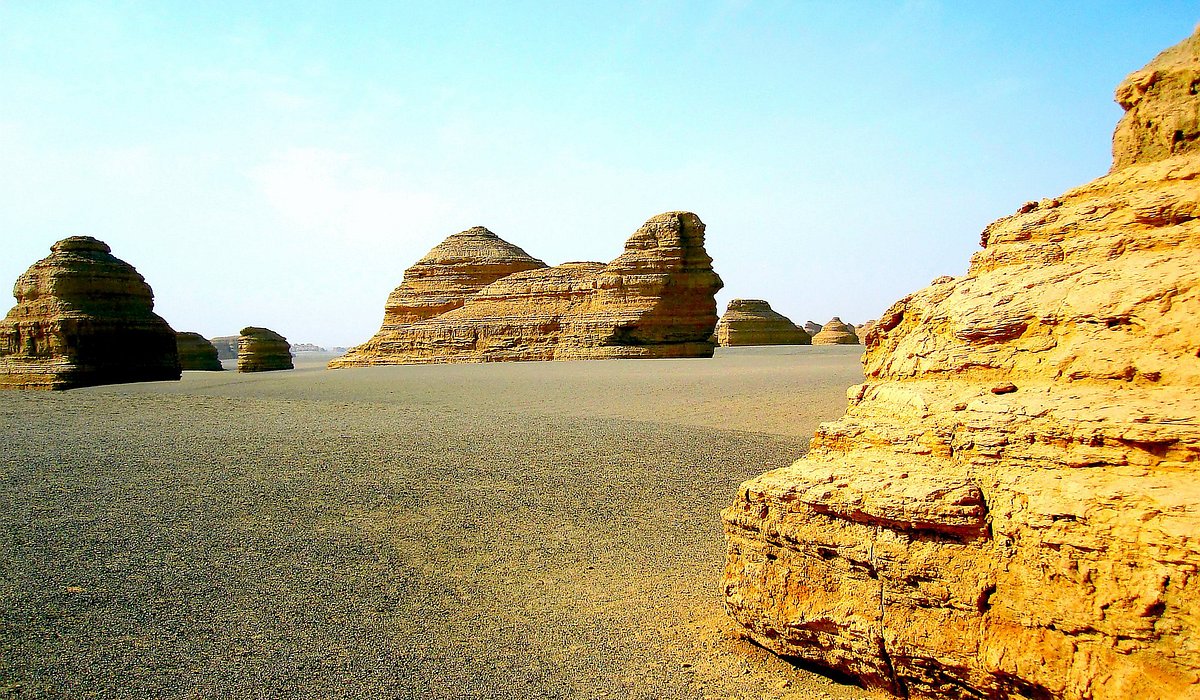
Dunhuang: A Journey Through Time and Sand – Must-See Sites and Unforgettable Experiences
Dunhuang, a city nestled on the edge of the Gobi Desert in Gansu Province, China, is a breathtaking tapestry woven from centuries of history, art, and natural wonder. It's a place where ancient Silk Road caravans once rested, where Buddhist art flourished, and where towering sand dunes meet serene oases. Planning a trip to Dunhuang requires careful consideration, as its attractions are diverse and demand ample time to explore fully. This blog will guide you through the must-see sites and offer insights to ensure an unforgettable experience.
The Crown Jewel: Mogao Caves (莫高窟)
No trip to Dunhuang is complete without visiting the Mogao Caves, arguably the city's, and perhaps China's, most significant treasure. These UNESCO World Heritage Site caves, carved into the cliffs over a millennium (from the 4th to the 14th century), house an unparalleled collection of Buddhist art. Thousands of stunning murals and sculptures, depicting scenes from Buddhist scriptures and daily life, offer a captivating glimpse into ancient Chinese culture and religious beliefs. (See TripAdvisor's list of top attractions: https://www.tripadvisor.com/Attractions-g303695-Activities-Dunhuang_Gansu.html)
Planning your Mogao Caves visit:
- Book tickets in advance: This is crucial, especially during peak season. Online booking is recommended to avoid long queues.
- Limit your cave exploration: Due to preservation efforts, access to a limited number of caves is granted each day. Your ticket will specify which caves you can visit.
- Hire a guide: A knowledgeable guide can significantly enhance your experience by explaining the historical and artistic significance of the murals and sculptures.
- Respect the sacred space: Dress modestly and maintain a respectful atmosphere throughout your visit. Photography is often restricted in some caves to protect the delicate artwork.
Beyond the Caves: Exploring Dunhuang's Diverse Landscapes
While the Mogao Caves steal the spotlight, Dunhuang boasts other captivating attractions that should not be missed.
1. Mingsha Shan (鸣沙山) – Echoing Sand Mountain and Crescent Moon Lake (月牙泉):
This iconic dune landscape offers a stark contrast to the artistic richness of the caves. The sand dunes, renowned for their "singing" sound as you walk on them, create a dramatic backdrop for the Crescent Moon Lake, a surprisingly vibrant oasis nestled amongst the dunes. Camel riding is a popular activity here, providing a unique perspective of this stunning natural wonder. (See Chinadiscovery's list: https://www.chinadiscovery.com/dunhuang-tours/attractions.html)
2. Yangguan Pass (阳关) and Yumenguan Pass (玉门关):
These ancient passes, crucial points along the Silk Road, offer a tangible connection to the historical trade routes that once crisscrossed this region. Exploring the ruins of these passes evokes a sense of the adventure and hardship experienced by merchants and travelers centuries ago. The desolate beauty of the surrounding landscape adds to the historical significance.
3. Dunhuang Museum (敦煌博物馆):
Complementing the Mogao Caves, the Dunhuang Museum houses a comprehensive collection of artifacts recovered from the caves and surrounding areas. This museum provides valuable context to the art and history you've witnessed, showcasing a wider range of objects including Buddhist scriptures, sculptures, and everyday items from the Silk Road era. Reddit users also highlight the museum's importance: https://www.reddit.com/r/travelchina/comments/1ewcf24/anyone_visited_mogao_caves_in_dunhuang/
Planning your itinerary:
Dunhuang’s attractions are spread out, so efficient planning is key. Consider hiring a driver or joining a guided tour to maximize your time and see everything you want. Allow at least three full days to explore the Mogao Caves, Mingsha Shan, the passes, and the museum.
Beyond the Tourist Trail:
For a deeper immersion in Dunhuang’s culture, consider these additional experiences:
- Attend a local performance: Witness traditional Dunhuang music and dance performances to gain a more profound understanding of the city's artistic heritage.
- Explore the local markets: Discover local handicrafts, souvenirs, and delicacies, getting a taste of the daily life in Dunhuang.
- Visit a local family: For a truly immersive experience, consider arranging a homestay with a local family to learn about their lives and customs.
Conclusion:
Dunhuang is more than just a collection of historical sites; it's a journey through time and across landscapes that evoke a powerful sense of wonder. By carefully planning your visit and taking the time to explore its many facets, you will be rewarded with an unforgettable experience that will leave a lasting impression. Remember to respect the local culture and environment, and embrace the unique opportunities Dunhuang offers to connect with history and nature.


